 Save to Pinterest
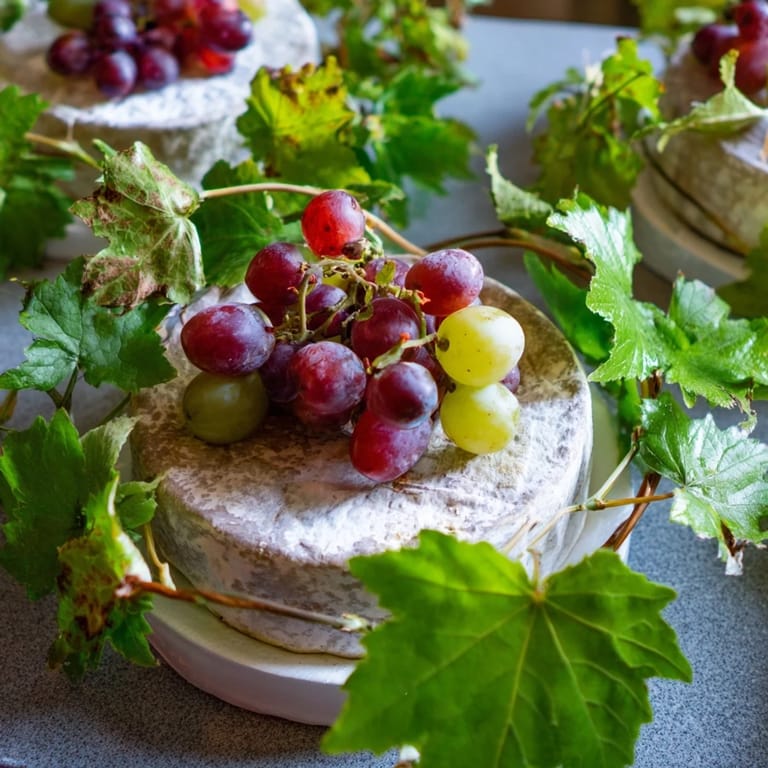
 I discovered this presentation style at a small vineyard gathering in Tuscany, where the owner casually draped grapevines across a table of cheeses as if arranging flowers. It struck me how something so simple—just vines, cheese, and grapes—could feel more impressive than any plated dish I'd spent hours perfecting. The idea stayed with me, and now whenever I need something that looks like I've put in real effort without the fuss, this is what comes to mind.
My friend Maria brought a version of this to a dinner party, and I watched people actually pause before cutting into the cheese—they were photographing it first. That moment taught me that food doesn't have to be complicated to create genuine excitement. Now I understand that presentation is its own form of hospitality.
Ingredients
- 2 large wheels of young, rustic cheese (about 1.5 kg each): Look for tomme, young pecorino, or farmhouse varieties that have that slightly crumbly texture and mild flavor—they're forgiving and let the natural ingredients shine.
- 3–4 long, untreated grapevine branches with leaves and stems: Wash and dry them first, and make sure they're from organic vineyards where nothing chemical has touched them.
- 500 g fresh grapes, left on the stem if possible: Mixed colors look more inviting, and keeping them clustered creates those natural pockets of color.
- 1 baguette or rustic country bread, sliced: Choose something with actual texture and crust—soft white bread gets lost against the cheese.
- 100 g assorted nuts like walnuts or almonds: These add a textural contrast and give people something to reach for between cheese bites.
- 100 g dried fruits such as figs or apricots: They bridge the sweetness of the grapes and the earthiness of the cheese in a way that feels intentional.
Tired of Takeout? 🥡
Get 10 meals you can make faster than delivery arrives. Seriously.
One email. No spam. Unsubscribe anytime.
Instructions
- Lay your foundation:
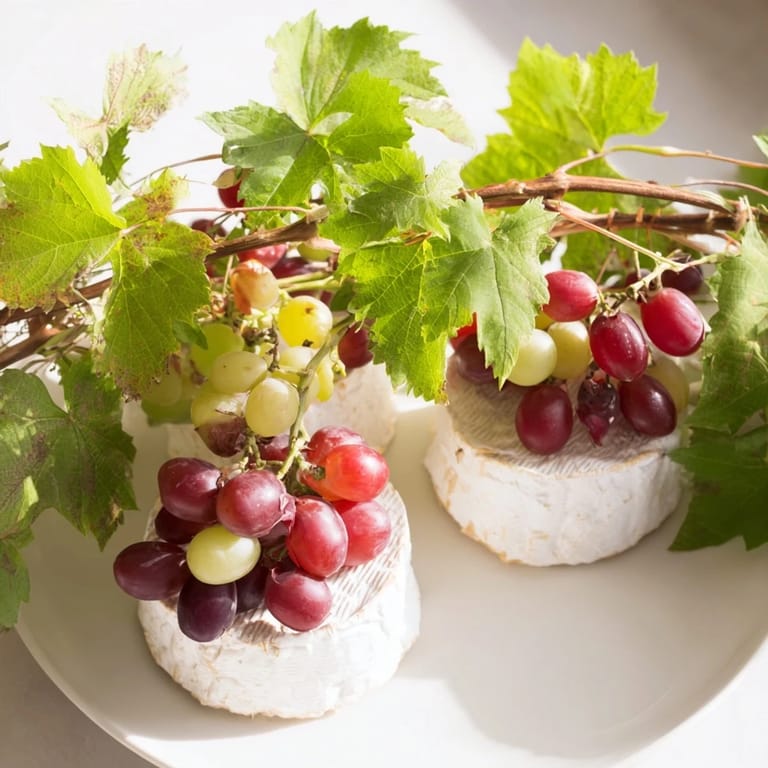
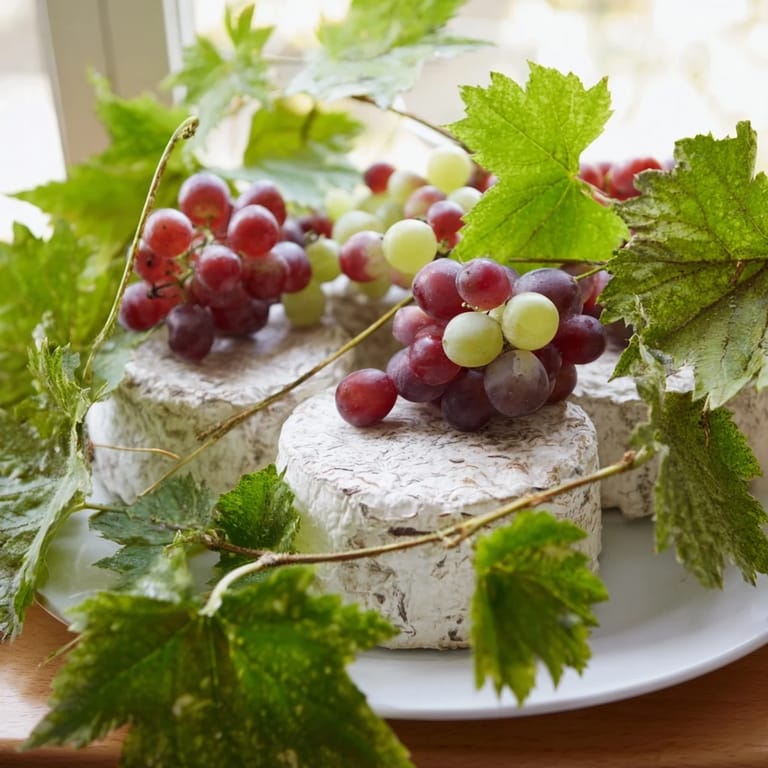
- Arrange the grapevine branches across your wooden board in a loose, natural way—think less careful arrangement and more artistic sprawl. Let the leaves and stems drape over the edges like they're still growing.
- Position the cheese wheels:
- Place your cheese wheels among the vines, tilting them slightly so they look like they're nestling into the vegetation. The goal is that vineyard-fresh feeling where everything grows together.
- Tuck in the grapes:
- Arrange clusters of fresh grapes among the vines and around the cheese, finding natural gaps where they look like they belong rather than like you've forced them in.
- Add the supporting cast:
- Create small piles of bread slices, nuts, and dried fruits around the board, leaving breathing room so it doesn't feel crowded. This is where people's eyes should travel after they admire the cheese.
- Serve and enjoy:
- Present at room temperature and let people cut their own slices of cheese, pairing them however feels right to them with grapes, bread, and whatever else appeals.
 Save to Pinterest
 The real magic happened when my sister brought her young daughter to a gathering where I'd made this. The girl was mesmerized by the actual vines and spent ten minutes arranging grapes before anyone ate anything. That's when I realized this dish does something beyond looking pretty—it makes people slow down and actually look at their food.
Choosing Your Cheese
Young, rustic cheeses are forgiving in a way that aged varieties aren't. They have enough character to taste interesting but stay mild enough that they don't overwhelm people who are nervous about strong cheese flavors. I've learned through trial that wheels around the same size feel balanced visually, and slightly crumbly cheeses photograph better than perfectly smooth ones.
Wine Pairing and Timing
This works beautifully with crisp white wines or lighter reds because nothing here fights for attention. I usually serve it at room temperature because cold cheese loses some of its subtle flavors and becomes a bit rubbery. If you're making this ahead, keep it covered loosely and bring it out about fifteen minutes before guests arrive.
Small Touches That Matter
Sometimes I drizzle the cheese wheels with local honey or good olive oil just before serving, which adds a glossy richness that catches the light. Other times I leave them plain and let the natural dairy shine through. Either way feels right, depending on what mood I'm setting.
- If you find quality grapes with a dusty bloom still on them, don't wash that off—it looks more natural and farmhouse.
- Arrange everything on a large wooden board rather than a platter, because the wood adds to that rustic vineyard story.
- Light the space subtly if serving in the evening so the grapes actually glow a little.
 Save to Pinterest
 This dish taught me that sometimes the simplest presentations are the ones people remember. It's become my go-to when I want to bring something that matters but still feel like myself in the kitchen.
Recipe Q&A
- → What types of cheese work best for this presentation?
Young, rustic cheeses like tomme, young pecorino, or farmhouse varieties complement the fresh grapevine and grapes perfectly.
- → Can grape leaves substitute for full grapevines?
Yes, if untreated grapevine branches are unavailable, fresh grape leaves can offer a similar rustic appearance and flavor hint.
- → How should I prepare the grapevine branches?
Use untreated, organic grapevine branches, washing and drying them thoroughly before arranging them over the cheese wheels.
- → What accompaniments pair well with this board?
Sliced rustic bread, assorted nuts like walnuts or almonds, and dried fruits such as figs or apricots enhance the flavors and textures.
- → Is this dish served warm or at room temperature?
Serve this cheese and grapevine arrangement at room temperature to best enjoy the flavors and textures.