 Save to Pinterest
 The first time I tasted zarb, I was sitting on a worn carpet under a tent in the Jordanian desert, watching smoke curl from the ground where the underground oven had been sealed hours before. An elderly Bedouin woman pulled back the foil wrapping with practiced hands, and the aroma that escaped was unlike anything I'd experienced—smoky, layered with spices, tender meat falling from bone. I've spent years trying to recreate that magic in a regular oven, and I've finally cracked it. This dish doesn't just feed you; it tells a story of patience and tradition with every bite.
I made zarb for a dinner party last winter, and my kitchen filled with that same desert-smoke smell I remembered. My neighbor came over asking what smelled so good, and by the time dinner was ready, three more people had invited themselves. We ate straight from the platter, tearing bread and passing around bowls of yogurt, and suddenly my small kitchen felt like that tent in Jordan. That's when I realized zarb isn't about perfection—it's about bringing people close.
Ingredients
- Lamb shoulder or chicken, 1.5 kg, bone-in chunks: Bone-in meat stays juicier and more flavorful than boneless cuts; I've learned the hard way that larger chunks look more impressive and stay tender longer.
- Olive oil, 2 tbsp: This carries the spices into the meat, so use good quality oil you'd actually taste on bread.
- Ground cumin, 2 tsp: The backbone of the marinade; don't be shy with it, as the long cooking mellows it into something warm and enveloping.
- Ground coriander, 2 tsp: It whispers underneath the cumin, adding a subtle sweetness that makes people ask what your secret ingredient is.
- Ground cinnamon, 1 tsp: Just enough to hint at sweetness without making it taste like dessert; too much, and the whole thing goes sideways.
- Smoked paprika, 1 tsp: This is your shortcut to that underground-oven flavor if you're cooking at home; regular paprika won't give you that depth.
- Ground black pepper, 1 tsp: Fresh cracked is better, but ground works fine as long as you're not using the ancient tin from your cabinet.
- Salt, 2 tsp: Season generously; the meat and vegetables need it to bring out their individual flavors.
- Garlic, 4 cloves, minced: Mince it fine so it disperses evenly through the marinade and becomes almost sweet after hours of cooking.
- Lemon juice, 1: The acid tenderizes the meat while its brightness cuts through the richness; never skip this.
- Potatoes, 3 large, quartered: They absorb the savory juices and become little flavor bombs; quarter them generously so they don't turn to mush.
- Carrots, 3 large, chopped: Cut them thicker than you normally would so they hold their shape and stay slightly firm.
- Onions, 2 medium, quartered: They melt into the sauce and add sweetness; there's no way to go wrong here.
- Zucchini, 2 medium, thick rounds: This is the vegetable that surprised me most—it becomes almost creamy after steaming under foil.
- Bell peppers, 1 red and 1 green, chunked: They stay bright and slightly crisp, providing color and a gentle sweetness that balances the spices.
- Tomatoes, 2 medium, quartered: Use seasonal tomatoes if possible; they'll add brightness and a subtle acidity to the final dish.
- Long-grain rice, 2 cups, rinsed: Rinsing removes the starch so each grain stays separate and fluffy.
- Chicken or vegetable broth, 3 cups: The ratio matters; too little and the rice is crunchy, too much and it's mushy.
- Butter or olive oil, 1 tbsp: For richness in the rice; I use oil most days, but butter on special occasions.
Tired of Takeout? 🥡
Get 10 meals you can make faster than delivery arrives. Seriously.
One email. No spam. Unsubscribe anytime.
Instructions
- Build your marinade:
- In a large bowl, whisk together olive oil, cumin, coriander, cinnamon, paprika, black pepper, salt, garlic, and lemon juice until it looks like a thick paste. The mixture should smell so good you have to stop yourself from eating it straight.
- Marinate the meat:
- Add your meat chunks to the marinade and massage it in with your hands, making sure every piece is coated. Cover and refrigerate for at least 1 hour, though overnight gives the spices time to really sink in and makes the meat even more tender.
- Preheat your oven:
- Set it to 180°C (350°F) about 15 minutes before you're ready to build your zarb. If you're using an underground pit, get your coals started now.
- Arrange the meat:
- Place the marinated meat pieces on a wire rack set over a large roasting tray, or directly on the tray if you don't have a rack. The meat should be in a single layer so the heat circulates around it.
- Prep the vegetables:
- In a separate bowl, toss all your vegetables with a light drizzle of olive oil, salt, and pepper. Arrange them around and underneath the meat so they'll catch the dripping juices and steam together.
- Seal it tight:
- Cover the entire tray tightly with aluminum foil, crimping the edges so steam can't escape. For authenticity and better flavor, wrap the tray first in banana leaves (if you can find them) before the foil.
- Slow cook to tenderness:
- Bake for 2.5 hours until the meat is so tender it falls apart at the lightest touch and the vegetables are completely soft. If using an underground oven, place the wrapped tray in the hot pit and cover completely with coals and sand, checking after 2 hours.
- Make the rice (if serving):
- While everything cooks, combine rinsed rice, broth, butter, and salt in a saucepan. Bring to a boil, then reduce the heat, cover, and simmer for 15–20 minutes until the rice is fluffy and the liquid is absorbed.
- Bring it all together:
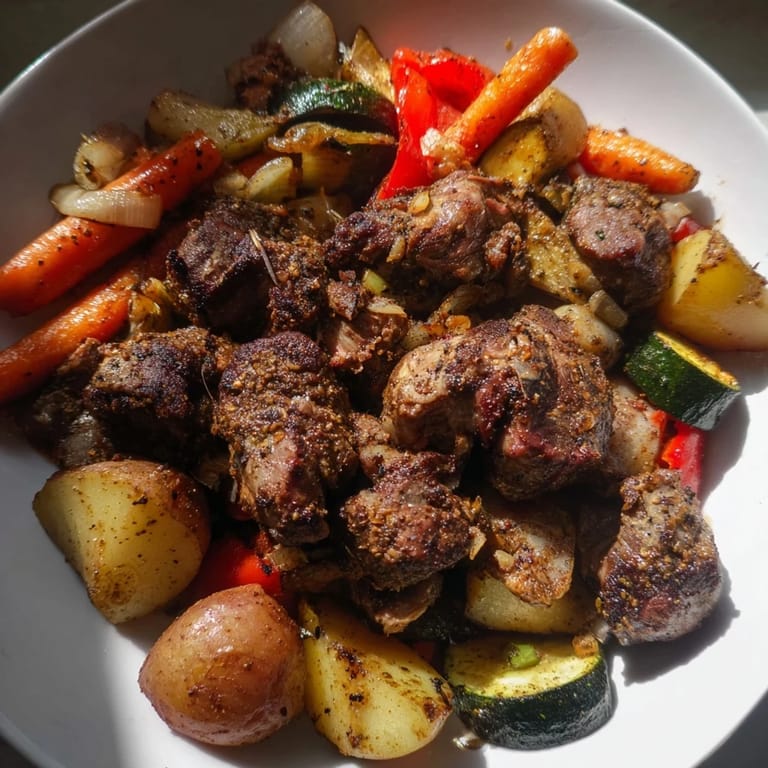
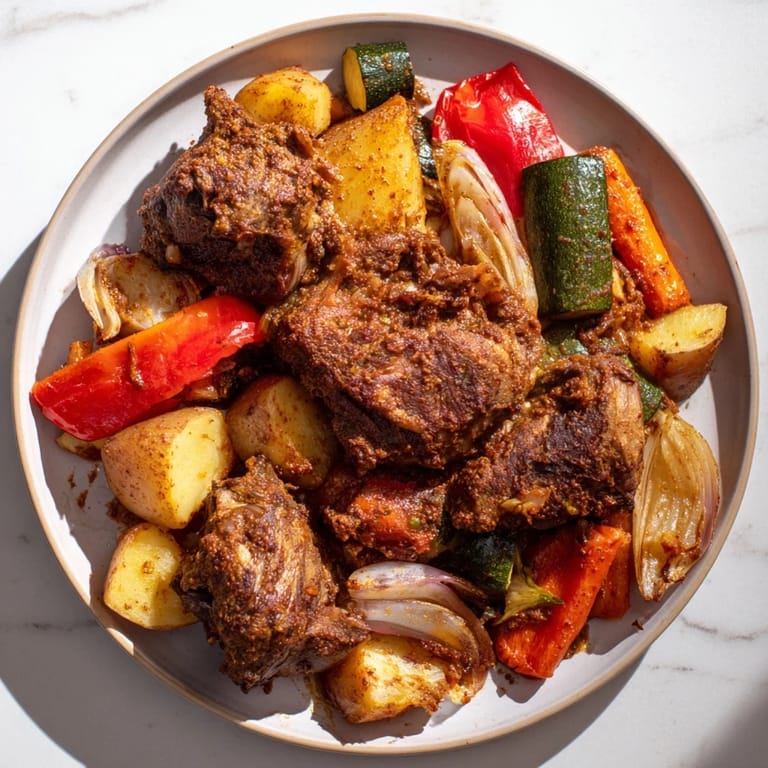
- Carefully open the foil (watch for the steam burst), transfer the meat and vegetables to a large platter, optionally over a bed of rice. Pour all those precious juices over the top, and watch people's faces light up as they realize dinner has arrived.
 Save to Pinterest
 I remember my daughter tearing bread and using it to scoop up the soft vegetables, completely messy and completely happy, asking if this was what food tasted like in the old stories I told her. That moment—when a dish becomes about more than hunger, when it connects you to a place and people you love—that's exactly what zarb is meant to do.
Why Underground Ovens Matter (and When They Don't)
The traditional zarb cooks in a pit oven where coals and sand create even, gentle heat from all directions, which is why the meat becomes so impossibly tender. Most of us don't have access to a traditional underground oven, and that's completely fine—a regular home oven produces nearly identical results, though you'll miss some of that smoky flavor. If you do have the opportunity to use a traditional pit, jump at it; the experience of digging it open with your own hands and sharing food cooked underground changes how you taste the dish. But don't feel pressured; good zarb is good zarb, whether it's from a gas oven or a desert pit.
The Spice Blend Breakdown
The magic of zarb lives in the balance of warm spices that work together like a conversation rather than shouting individually. Cumin provides the savory foundation, coriander adds sweetness, cinnamon brings warmth, and smoked paprika gives you that hint of fire and depth. It might look like a lot of spices, but they're all mild enough to blend together during the long cooking time. If you're new to Middle Eastern cooking, this blend is a great place to start; once you taste it, you'll want to use it on roasted vegetables, in soups, and anywhere else you need to add some personality. I've started making a double batch of just the spice blend and keeping it in a jar for spontaneous flavor boosts.
Vegetables and Variations
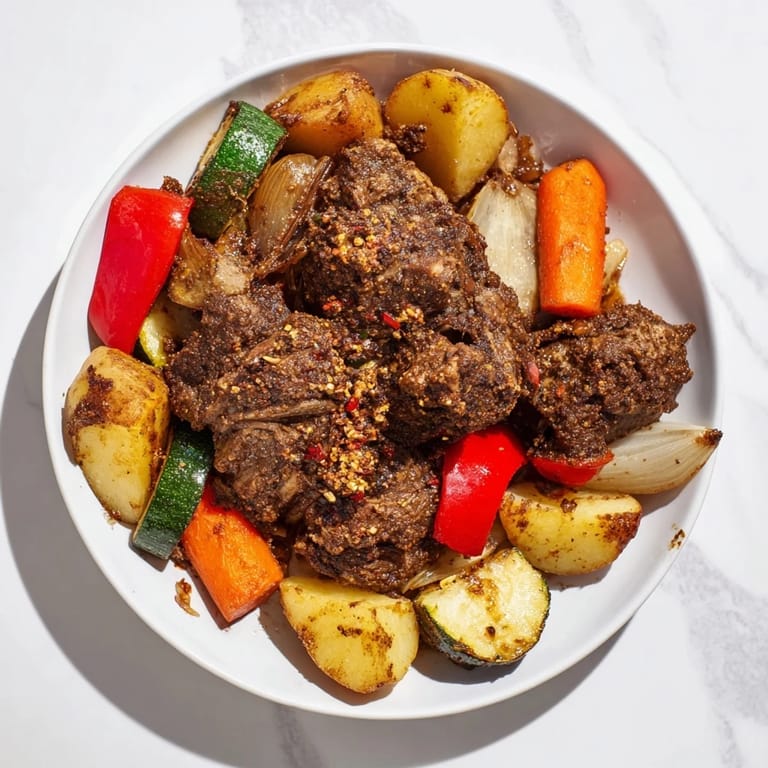
The vegetable combination I've listed is traditional, but zarb is endlessly flexible once you understand the principle: choose vegetables that won't turn to complete mush after 2.5 hours of steaming. Root vegetables like potatoes and carrots are always safe; softer vegetables like zucchini and peppers soften beautifully but stay recognizable. I've added sweet potatoes, eggplant, and even cauliflower with great results. The tomatoes add brightness and acidity, so I always keep them in, but if you're using very watery tomatoes, quarter them just before cooking so they don't release all their liquid. My favorite discovery was adding a handful of dried apricots in the last 30 minutes—they soften into the gravy and add a subtle sweetness that no one can quite identify.
- Try eggplant or sweet potatoes for a different texture and sweetness level.
- Add dried apricots or plums for an unexpected sweetness that deepens the flavors.
- Save thick vegetable rounds over thin slices; they look better and stay firmer.
 Save to Pinterest
 Zarb is the kind of dish that tastes even better the next day, when all the flavors have truly settled into each other. Serve it warm with flatbread and a cooling yogurt sauce, and let everyone at your table take their time.
Recipe Q&A
- → What spices are used to marinate the meat?
The marinade includes ground cumin, ground coriander, cinnamon, smoked paprika, black pepper, salt, minced garlic, and lemon juice to create a flavorful blend.
- → Can both lamb and chicken be used in this dish?
Yes, the dish can be prepared with lamb shoulder, chicken pieces, or a combination, depending on preference.
- → How is the slow-cooking process achieved traditionally?
Traditionally, the marinated meat and vegetables are cooked in an underground oven covered with hot coals and sand, resulting in tender, smoky flavors.
- → Are there vegetable options to include with the main ingredients?
Vegetables like potatoes, carrots, onions, zucchinis, bell peppers, and tomatoes are commonly used; variations can include eggplants or sweet potatoes.
- → What are common serving suggestions for this dish?
It is often served on a bed of fluffy rice and accompanied by tangy yogurt sauce and flatbreads, with drinks like red wine or mint tea.