 Save to Pinterest
 The first time I made egg fried rice, I'd just returned from a semester abroad in Shanghai with flavors still dancing on my tongue. Standing in my tiny apartment kitchen, I attempted to recreate that perfect balance of savory and comforting that I'd experienced at small street-side restaurants. The satisfying sizzle when cold rice hit the hot wok took me right back to those crowded alleyways where locals created magic from simple ingredients. That night, though my technique needed work, the familiar aroma transported me across oceans.
Last winter, my power went out during a snowstorm, and I found myself cooking this fried rice on a camp stove by flashlight. The kitchen was cold, but the steaming wok created a pocket of warmth as my family gathered around with bowls in hand. We laughed about how sometimes the most memorable meals happen when plans fall apart. My daughter still calls it 'blackout fried rice' and requests it even when the electricity is working perfectly fine.
Ingredients
- Day-old rice: Fresh rice contains too much moisture and turns mushy, while refrigerated rice dries out just enough to create those perfect crispy bits throughout your stir-fry.
- Eggs: I once tried making this without eggs to accommodate a friend, but quickly learned they provide essential richness and binding that transforms this from basic stir-fry into something special.
- Sesame oil: Add this at the end rather than cooking with it, as I learned the hard way that its delicate flavor diminishes with high heat.
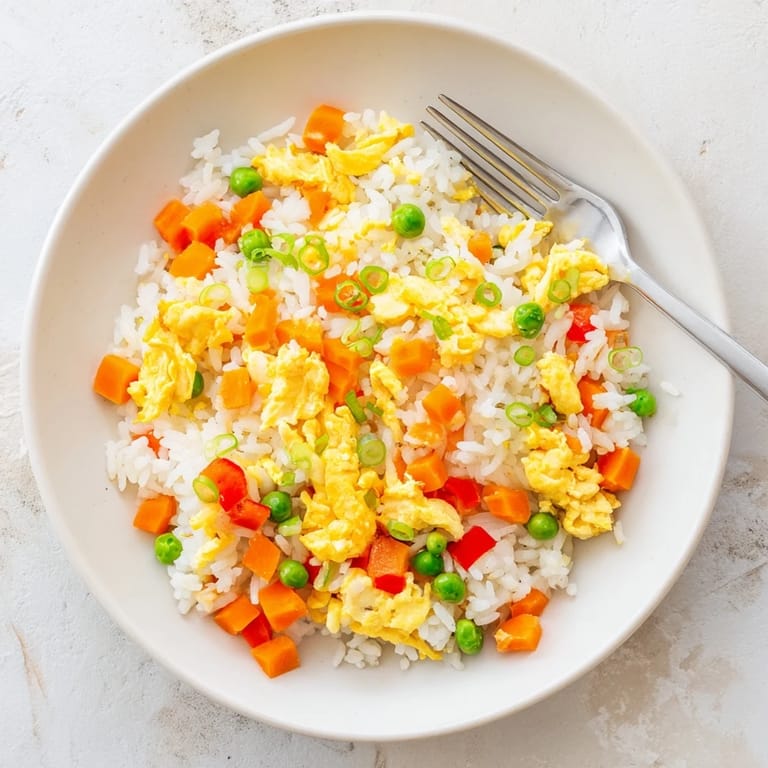
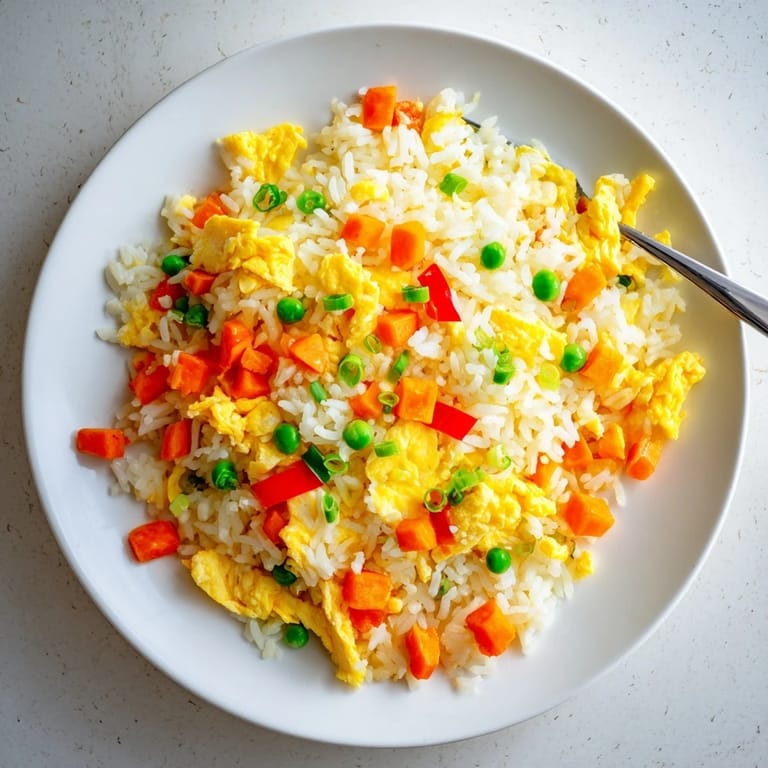
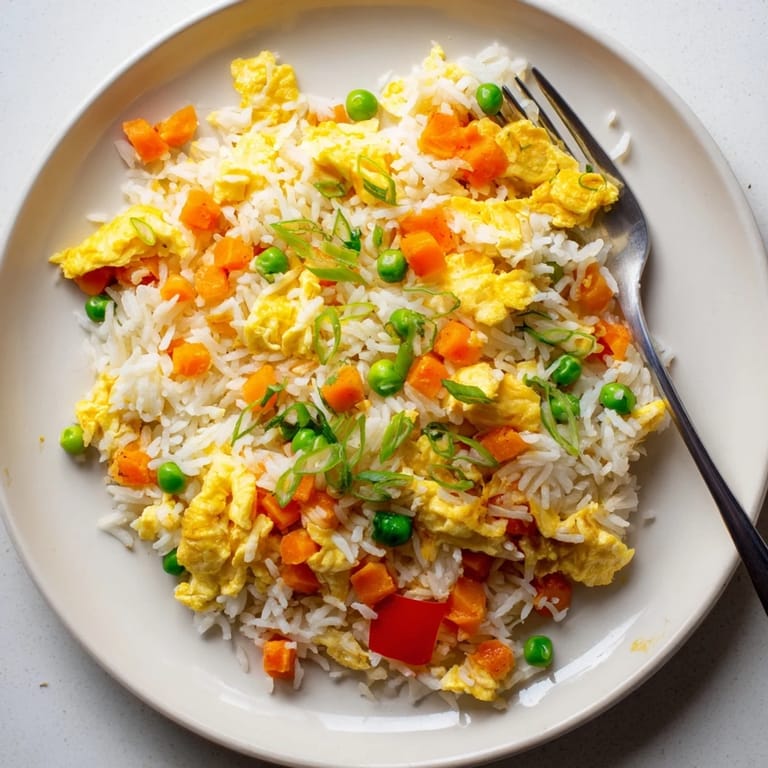
- Scallions: The white parts add subtle onion flavor during cooking, while the green tops scattered over the finished dish provide fresh contrast and visual appeal.
Tired of Takeout? 🥡
Get 10 meals you can make faster than delivery arrives. Seriously.
One email. No spam. Unsubscribe anytime.
Instructions
- Prep the foundation:
- Beat your eggs with a pinch of salt until just combined, creating tiny air bubbles that will help them scramble into light, fluffy pieces later.
- Create the egg ribbons:
- Heat a tablespoon of oil until it shimmers, then pour in the eggs, letting them spread thin before gently folding with your spatula. You want soft, barely set eggs that will finish cooking when returned to the wok later.
- Build the flavor base:
- With your wok still hot, toss in garlic, ginger, and scallion whites, stirring constantly as they release their aromatic oils. The kitchen should fill with a fragrance that makes everyone ask what you're cooking.
- Add the color:
- Introduce the vegetables, letting them dance around the hot wok until they brighten in color but still maintain some crispness. This quick cooking preserves their nutrients and texture.
- Rice transformation:
- Crank the heat to high and add your cold rice, breaking up any clumps with your spatula. Listen for the satisfying sizzle as the rice hits the hot surface, indicating it's getting that coveted slight crispness.
- Bring it all together:
- Return the eggs to the wok, breaking them into smaller pieces as you combine everything with soy sauce, sesame oil, and white pepper. Each grain of rice should be glistening and coated with flavor.
- Final flourish:
- Scatter the reserved green scallion tops across the dish just before serving, adding a fresh pop of color and flavor. The residual heat will slightly wilt them to perfection.
 Save to Pinterest
 My neighbor from Hong Kong tasted my fried rice one evening and smiled with such warmth that I knew I'd finally gotten it right. She shared that her grandmother taught her to always use day-old rice, and how fried rice was never meant to be fancy, just practical and delicious. We sat on my balcony eating from bowls balanced on our knees, trading stories of how comfort food connects us to people and places that shaped us, regardless of our different backgrounds.
The Rice Secret
After countless batches, I've found that spreading freshly cooked rice on a baking sheet and refrigerating it uncovered for just 2 hours can replicate that perfect day-old texture when you're short on time. The cold air pulls moisture from the surface of each grain, creating that ideal starting point for fried rice that separates beautifully in the wok. My Tuesday night solution when the craving hits but I haven't planned ahead.
Wok vs. Skillet Reality
Though I love my carbon steel wok, I spent years making perfectly good fried rice in a large nonstick skillet before investing in proper equipment. The key difference isn't so much the vessel but the confidence to use truly high heat, something I was afraid of until a chef friend showed me how the quick cooking preserves texture and creates those slightly charred notes that make restaurant fried rice so addictive. If using a flat skillet, work in slightly smaller batches to ensure everything gets even contact with the hot surface.
Making It Your Own
The beauty of fried rice is its adaptability, something I've come to appreciate more with each variation that emerges from my kitchen. When my garden produces too many zucchini, they find their way into the wok, diced small and barely cooked to maintain their sweetness. During winter months, I've discovered that kimchi adds tangy depth that transforms this into something entirely new without changing the fundamental technique.
- For protein lovers, add leftover rotisserie chicken or quickly sauté some shrimp before adding the vegetables.
- Swap traditional soy sauce for fish sauce and lime juice for a Thai-inspired variation that pairs beautifully with grilled foods.
- For a satisfying vegetarian main, add cubed firm tofu that's been pressed and pan-fried separately until golden.
 Save to Pinterest
 This humble dish has taught me more about cooking fundamentals than fancy techniques ever could. Each time the familiar aroma fills my kitchen, I'm reminded that sometimes the simplest foods hold the deepest connections to our stories.
Recipe Q&A
- → Why is day-old rice recommended for this dish?
Cold or day-old rice has less moisture content, preventing the dish from becoming mushy and sticky. It separates more easily during stir-frying, allowing each grain to get coated evenly with seasonings while developing those desirable crispy edges.
- → How do you prevent eggs from becoming overcooked?
Scramble the eggs gently over medium-high heat until just set, then remove them from the wok before adding the rice. This prevents them from overcooking when combined later. Crumble them into small pieces only at the final stage.
- → Can you use freshly cooked rice instead of cold rice?
Fresh hot rice tends to get mushy and sticky. If using freshly cooked rice, spread it on a plate to cool completely first. Alternatively, refrigerate it for at least an hour before stir-frying for optimal texture.
- → What vegetables work best for this preparation?
Quick-cooking vegetables like peas, carrots, bell peppers, corn, and broccoli work well. Cut them uniformly into small pieces for even cooking. Frozen vegetables are convenient and actually preferable since they're pre-cooked slightly.
- → How can you add more protein to this dish?
Cooked shrimp, diced chicken, tofu, or ham can be added after the vegetables. Incorporate them before adding the rice so they heat through evenly. You can also add a beaten egg or two for extra richness.
- → What's the purpose of high heat in the final stir-frying?
High heat prevents the rice from steaming and becoming gummy. It creates the signature light, fluffy texture and encourages the rice grains to slightly crisp on the edges while staying tender inside.