 Save to Pinterest
 I discovered the magic of noodle boards during a summer trip to Bangkok, where street vendors would arrange their ingredients with such artistry that the food became as beautiful to look at as it was to eat. Years later, when hosting a dinner party, I recreated that memory on my own table—not with street food simplicity, but with the elegance of a carefully curated board. My guests arrived hungry and left enchanted, not just by the flavors, but by the invitation to build their own perfect bowl, one ingredient at a time.
I remember my sister's eyes lighting up when she saw the board for the first time—all those jewel-toned vegetables arranged like edible art, the sauces glistening in their little bowl. She spent ten minutes just choosing her ingredients, mixing and matching, tasting different sauce combinations. That's when I realized this wasn't just a meal; it was an experience we were sharing together.
Ingredients
- 300 g rice noodles or soba noodles: These delicate strands are the foundation of your board. I learned to rinse them thoroughly under cold water after cooking—this stops them from sticking and keeps them perfectly tender. The sesame oil isn't just flavor; it's your insurance against a clumpy mess.
- 1 tbsp sesame oil: This golden liquid is worth buying the good stuff. It transforms plain noodles into something fragrant and alive.
- 200 g cooked chicken breast, thinly sliced: Slice it against the grain after it's cooled, and you'll get tender pieces that aren't tough or stringy. If you're vegetarian, firm tofu pressed and pan-fried until edges are golden works beautifully.
- 150 g cooked shrimp, peeled and deveined: Buy pre-cooked if you want to save time and stress. They add that luxe protein element without extra work.
- 2 boiled eggs, halved: Soft-boiled with jammy yolks is my preference, but cook them however you love them. That golden yolk becomes a sauce of its own when you dip it in.
- 1 cup julienned carrots: The sweetness of raw carrot is underrated. Cut them thin so they're tender to bite through.
- 1 cup cucumber, thinly sliced: This is your cool, refreshing counterpoint. Use English cucumbers if you can—fewer seeds, better texture.
- 1 red bell pepper, julienned: Choose one that's firm and waxy, not soft. The crunch matters here.
- 1 cup red cabbage, thinly sliced: It's sturdy enough to stay crisp for hours, and its bright color doesn't fade. That's why I always include it on boards that sit for a while.
- 1 cup edamame, cooked and shelled: There's something about edamame—earthy, slightly buttery, with a satisfying pop. Shell them fresh, or buy pre-shelled to save yourself the work.
- 4 radishes, thinly sliced: They add a peppery bite that keeps your palate awake. Thin slices are key; chunks are unpleasant.
- 2 scallions, sliced: Use both white and green parts. The green adds color and mild onion flavor; the white gives a sharper punch.
- 1/4 cup fresh cilantro leaves: This is where people divide into camps, but if you love it, don't hold back. It's the green that makes everything feel fresh and alive.
- 1/4 cup fresh mint leaves: Tear them gently just before serving so they don't bruise. Mint brings brightness that nothing else can replicate.
- 1/4 cup roasted peanuts, chopped: Toast them yourself if you have time—the aroma will make your kitchen smell like a Asian noodle shop. They add richness and crunch.
- 2 tbsp toasted sesame seeds: These tiny seeds are concentrated flavor and texture. Sprinkle them last, right before serving, so they don't lose their crunch.
- Lime wedges: A squeeze of lime changes everything. Have plenty on hand.
- 1/3 cup soy sauce, 1/3 cup spicy peanut sauce, 1/3 cup hoisin sauce, 1/3 cup sweet chili sauce: These are your flavor palette. Each one brings something different. Don't skip any of them.
Tired of Takeout? 🥡
Get 10 meals you can make faster than delivery arrives. Seriously.
One email. No spam. Unsubscribe anytime.
Instructions
- Cook and cool the noodles:
- Bring a pot of water to a rolling boil and cook your noodles according to the package timing. When they're tender but still have a bit of structure, drain them into a colander. Rinse under cold running water—really rinse them, until they feel slippery and cool to the touch. This stops the cooking and prevents them from sticking into a clump. Toss them gently with sesame oil until every strand is glossy. Smell that? That's the smell of everything about to be delicious.
- Prep your vegetables with intention:
- This is where patience pays off. Julienne the carrots and bell peppers so they're thin and elegant. Slice the cucumber and radishes paper-thin. Shred the cabbage finely. Shuck the edamame. Slice the scallions. Do this mindfully—each cut is preparing you to create something beautiful. Arrange each ingredient in its own little pile as you go so nothing gets mixed up.
- Cook your proteins ahead:
- The chicken should be cooked and cooled before slicing. Same with the shrimp if they're not already prepared. Hard-boil or soft-boil your eggs, then let them cool completely. Slice the chicken thinly against the grain. Pat the shrimp dry so they're ready to shine. Everything should be completely cool before it touches the board.
- Arrange with artistic intention:
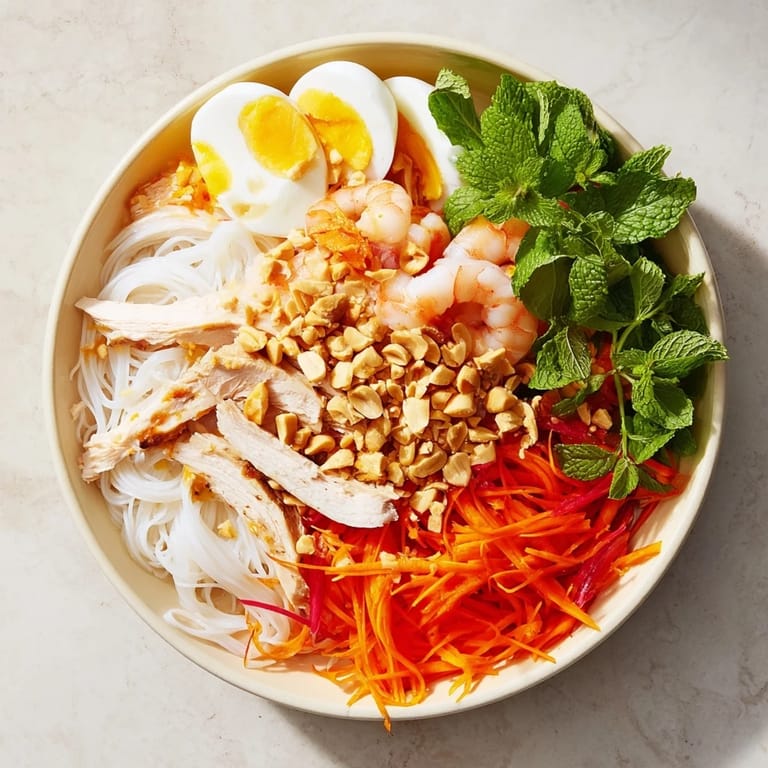
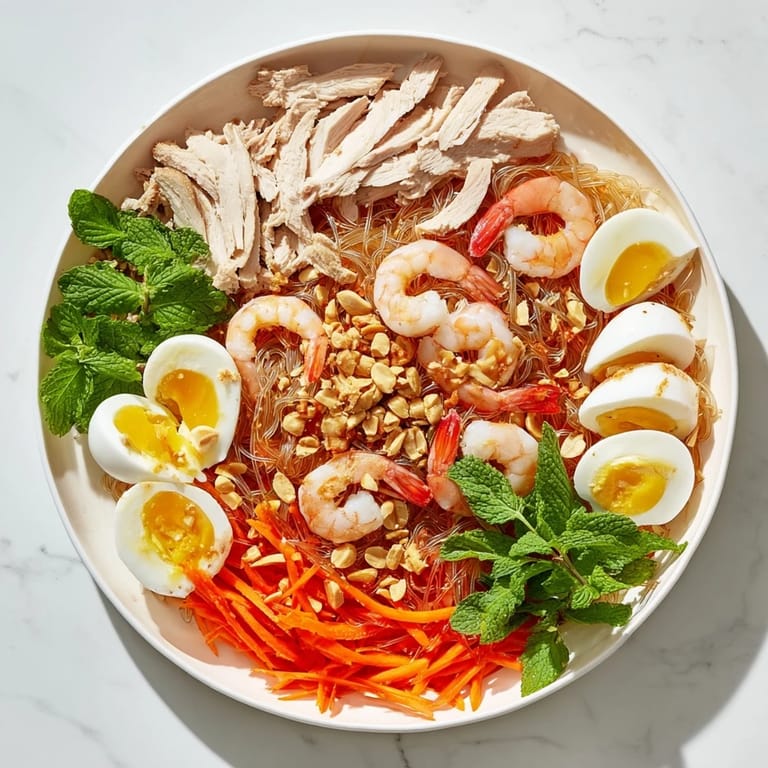
- Take your largest board or platter. Start with the noodles in one or two sections—they're your canvas. Arrange each vegetable in neat rows or stacked fans radiating outward. Think of it like painting with vegetables. Keep the colors balanced. Place your proteins in their own distinct sections. Finally, place your divided sauce bowl in the center—this is the anchor of your board. Leave no dead space, but don't make it so crowded that nothing can breathe.
- Finish with the herbs and garnishes:
- Just before serving, scatter the cilantro and mint over the board. Sprinkle the peanuts and sesame seeds. Nestle lime wedges around the edge. This last step is where everything transforms from prepared ingredients into a feast for the eyes.
 Save to Pinterest
 My mother came into the kitchen as I was finishing the board and simply said, 'This is art.' We stood there together for a moment, admiring it before anyone could disturb a single element. That's the moment I understood—this dish isn't just about nourishment. It's about creating something worthy of pausing to appreciate.
The Magic of Building Your Own Bowl
There's a reason this style of eating has become so popular. It's not just delicious—it's democratic. Someone who doesn't eat shellfish can build a bowl with only plant-based proteins. Your friend who's adventurous can mix all four sauces into a chaos of flavor. Someone who wants simplicity can choose three ingredients and call it perfect. Everyone wins, and no one feels like they're eating 'around' their meal. This is food that celebrates choice.
Making It Your Own
The beauty of a noodle board is that it's endlessly adaptable. In summer, I add pickled vegetables and kimchi for extra tang and complexity. I've added roasted beets for earthiness, grilled peaches for sweetness, and crispy wonton strips for texture. Thai-inspired or Vietnamese-inspired or Korean-inspired—adjust your sauces and proteins accordingly, and you've got a completely different meal. The format stays the same; the story changes.
Pairing and Presentation
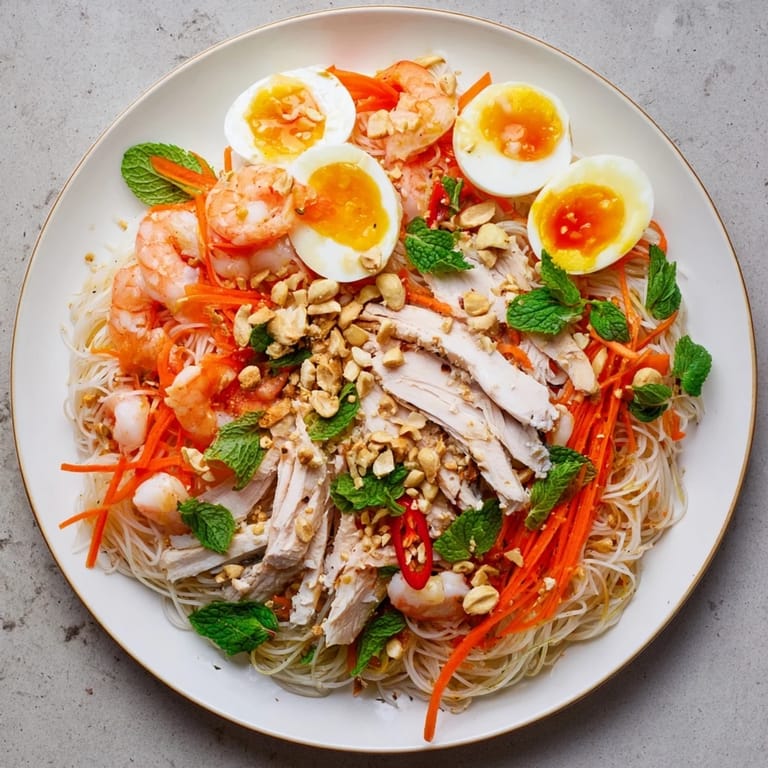
Serve this with chilled sake if you're leaning into the Asian-inspired direction, or a crisp white wine like Sauvignon Blanc or Pinot Grigio if you want something that won't overpower the delicate flavors. Have cold water and sparkling water on hand too—people get thirsty when they're tasting lots of different sauce combinations. The board itself is your star, so keep the table simple. White plates, clean napkins, and let the food be the showstopper.
- Serve at room temperature, not cold, for the best flavor and texture from the vegetables.
- Have extra lime wedges ready—people always run out and wish there were more.
- Set out small bowls or saucers for each guest so they have a place to build and taste without double-dipping.
 Save to Pinterest
 This board is an invitation—to slow down, to choose, to enjoy the process of eating as much as the food itself. Make it with joy, and it will taste like joy.
Recipe Q&A
- → What type of noodles work best for this dish?
Rice noodles or soba noodles are ideal as they hold sauces well and complement the fresh vegetables and proteins.
- → Can I make this platter vegetarian?
Yes, substitute chicken and shrimp with firm tofu and ensure dipping sauces are free from animal products.
- → How should the vegetables be prepared?
Julienne or thinly slice vegetables like carrots, cucumber, and bell pepper for a colorful and neat arrangement on the board.
- → What dipping sauces enhance the flavor profile?
A mix of soy sauce, spicy peanut sauce, hoisin, and sweet chili sauce offer a balance of savory, spicy, and sweet notes.
- → How can I serve the platter for best presentation?
Arrange the ingredients in separated sections and fans on a large board, placing sauces in a central bowl to create a visually balanced display.
- → Are there allergy considerations to keep in mind?
This dish contains soy, peanuts, eggs, and shellfish; substitute or omit ingredients as needed for allergies.