 Save to Pinterest
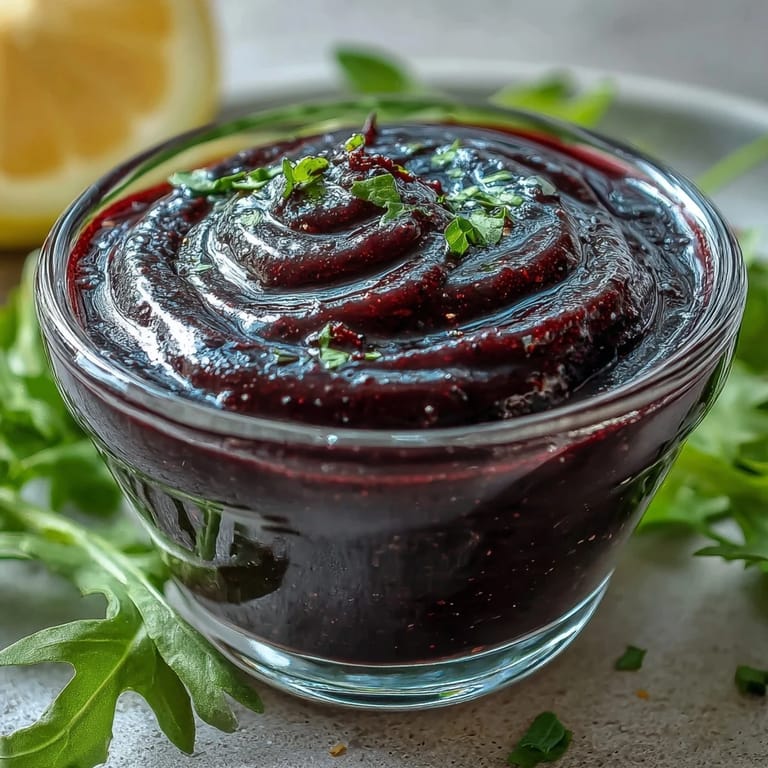
 There's something about black currant juice that stops you mid-thought—that almost wine-like tartness that makes your mouth water before you've even tasted it. I discovered this vinaigrette on a quiet Tuesday afternoon when a farmer's market vendor handed me a bottle of the stuff, insisting it belonged in more than just cocktails. Twenty minutes later, with a whisk in one hand and curiosity in the other, I had created something that would transform the way I dress salads forever.
I made this for a dinner party last summer, drizzled it over roasted beets with goat cheese, and watched my sister take one bite and immediately ask for the recipe written down. She's made it at least thirty times since then, always with that same look of pleasant surprise on her face when the flavors hit just right.
Ingredients
- Black currant juice: The star of this show—unsweetened is crucial because you're controlling the sweetness yourself, and honestly, that tartness is what makes people ask what on earth you did to make your salad taste like that.
- Red wine vinegar or apple cider vinegar: This adds the acidic backbone that keeps everything balanced and prevents the dressing from tasting cloying.
- Fresh lemon juice: A little brightness that plays well with the black currant without overwhelming it.
- Extra virgin olive oil: Don't skimp here—this is where half your flavor lives, and good oil makes the difference between okay and genuinely memorable.
- Dijon mustard: Acts as an emulsifier and adds a subtle heat that threads through everything.
- Honey or maple syrup: Optional, but I've learned the hard way that some black currant juices are more tart than others, so having this on hand saves you from an overly puckering situation.
- Shallot: Finely minced so it dissolves into the dressing rather than sitting there like a surprise crunch.
- Sea salt and black pepper: The final adjustments that make this taste intentional rather than accidental.
Tired of Takeout? 🥡
Get 10 meals you can make faster than delivery arrives. Seriously.
One email. No spam. Unsubscribe anytime.
Instructions
- Build your base:
- In a medium bowl, whisk together the black currant juice, vinegar, lemon juice, mustard, your sweetener choice, minced shallot, salt, and pepper until the whole thing smells like concentrated flavor. You want everything thoroughly combined before the oil shows up to the party.
- Emulsify slowly:
- Here's where patience matters—drizzle the olive oil in while whisking constantly, almost like you're coaxing it into submission. Too fast and you'll end up with separated, greasy puddles; too slow and your arm gets tired, but the result is a silky, cohesive dressing that clings to every leaf.
- Taste and adjust:
- This is your chance to be honest about what you're tasting—more salt? A touch more sweetness? A squeeze of lemon? Make it yours.
- Store or serve:
- Use it immediately while it's fresh, or pour it into a jar with a tight lid and let it live in the fridge for up to a week. Just shake it well before each use because separation is natural and not a failure.
 Save to Pinterest
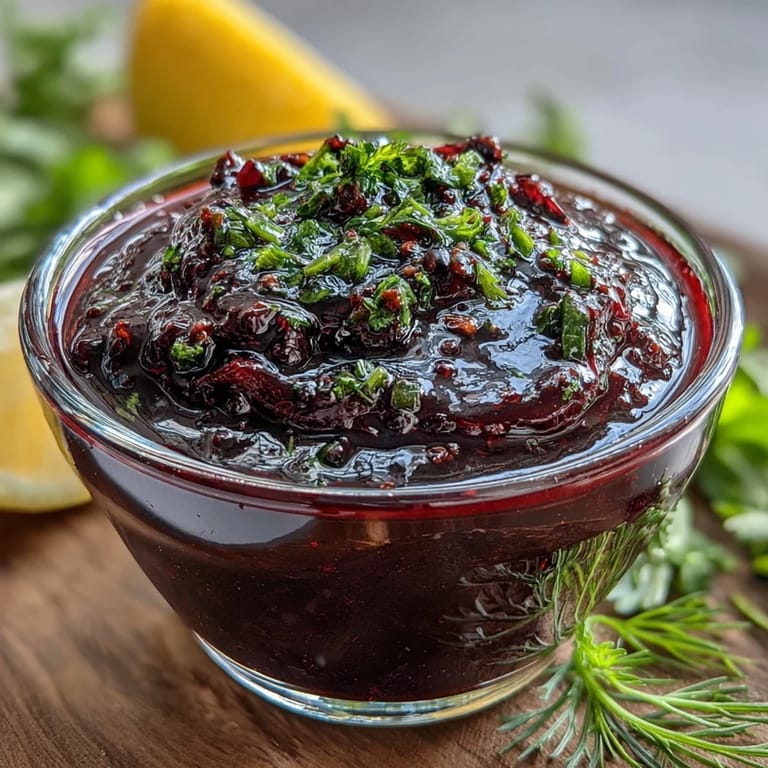
 One night, my partner made a simple salad with nothing but arugula, shaved parmesan, and this dressing, and somehow it felt more complete than meals I'd spent hours constructing. That's when I understood this wasn't just a recipe—it was permission to trust that good ingredients speaking clearly don't need a lot of fussing.
When to Reach for This Dressing
Black currant vinaigrette is one of those rare dressings that works equally well in summer and winter. Over delicate spring greens with crumbled goat cheese, it's bright and clarifying; tossed with roasted root vegetables and hearty kale, it cuts through richness and adds sophistication without trying too hard. I've used it on grain salads, drizzled it over roasted salmon, and even dared to use it on a simple butter lettuce salad with candied walnuts.
Substitutions and Swaps That Work
If black currant juice isn't in your corner of the world, pomegranate or cranberry juice will give you that same tart-forward character—though pomegranate tends to be slightly sweeter, so adjust your honey accordingly. Some people have experimented with blackberry juice for a slightly fruitier take, and while it's nice, it loses some of that sophisticated edge that makes this dressing feel special. The Dijon mustard is really the only ingredient I wouldn't mess with, because it's doing quiet but essential work as an emulsifier and flavor bridge.
The Small Details That Matter
This dressing teaches you something about balance if you pay attention—how acid and oil need each other, how a tiny bit of sweetness can make something more interesting rather than cloying, how one minced shallot can add personality without taking over. It's the kind of recipe where technique doesn't have to be fancy; it just has to be intentional.
- Always whisk the vinaigrette in a bowl rather than shaking it in a jar straight away, because you get better emulsification and can taste as you adjust.
- Fresh shallot matters more than you'd think—the kind that's been sitting in your drawer for six weeks won't have the same bright onion notes.
- If you're making this ahead, let it sit for an hour before serving so the flavors have time to become friends instead of strangers.
 Save to Pinterest
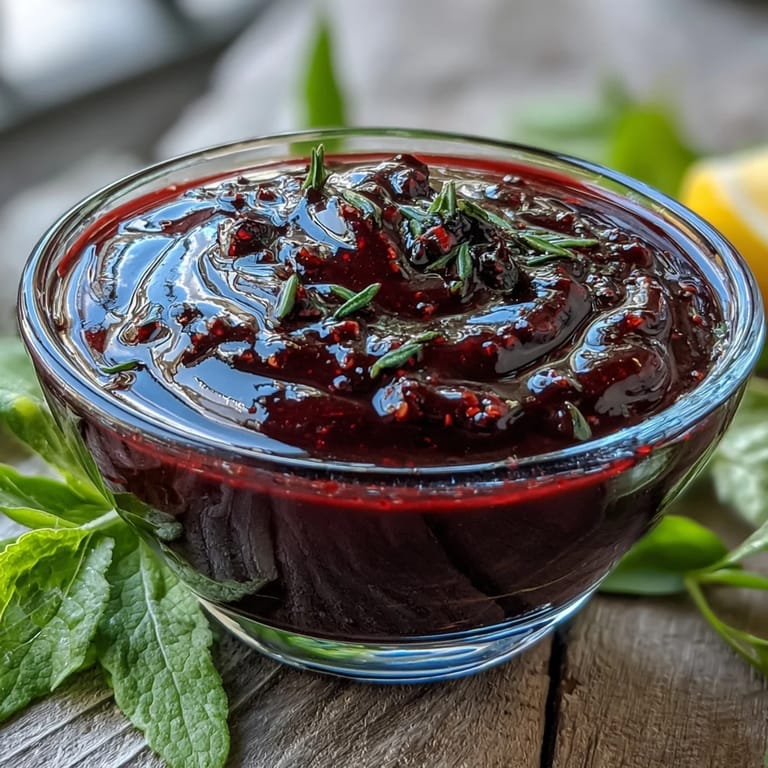
 This vinaigrette has become my answer to the question of what to make when you want something that feels both effortless and considered. Keep a jar of it in your fridge and watch how often you reach for it.
Recipe Q&A
- → What does black currant vinaigrette taste like?
The vinaigrette features a bold tart berry flavor with bright acidity from the vinegar and lemon juice. The olive oil provides smooth richness, while the shallot adds subtle savory depth. The optional sweetener helps balance the natural tartness for a well-rounded finish.
- → How long does homemade vinaigrette last?
This dressing stays fresh in the refrigerator for up to one week when stored in a jar with a tight-fitting lid. Shake well before each use as the ingredients may separate naturally over time.
- → What salads pair best with black currant dressing?
This vinaigrette shines over mixed greens, fresh spinach salads, or combinations featuring goat cheese and roasted beets. The tart berry flavor also complements grain salads, roasted vegetables, and proteins like grilled chicken or salmon beautifully.
- → Can I substitute black currant juice?
Pomegranate or cranberry juice work well as alternatives to black currant juice. Both provide similar tart berry flavor and vibrant color, though the taste profile will vary slightly.
- → Why strain the vinaigrette?
Straining through a fine mesh sieve removes minced shallot pieces for an ultra-smooth texture. This step is optional—the shallots add nice flavor and texture if you prefer a more rustic dressing.
- → Is this dressing gluten-free?
Yes, this vinaigrette is naturally gluten-free and dairy-free. Always double-check your Dijon mustard and vinegar labels to ensure they meet your dietary requirements.