 Save to Pinterest
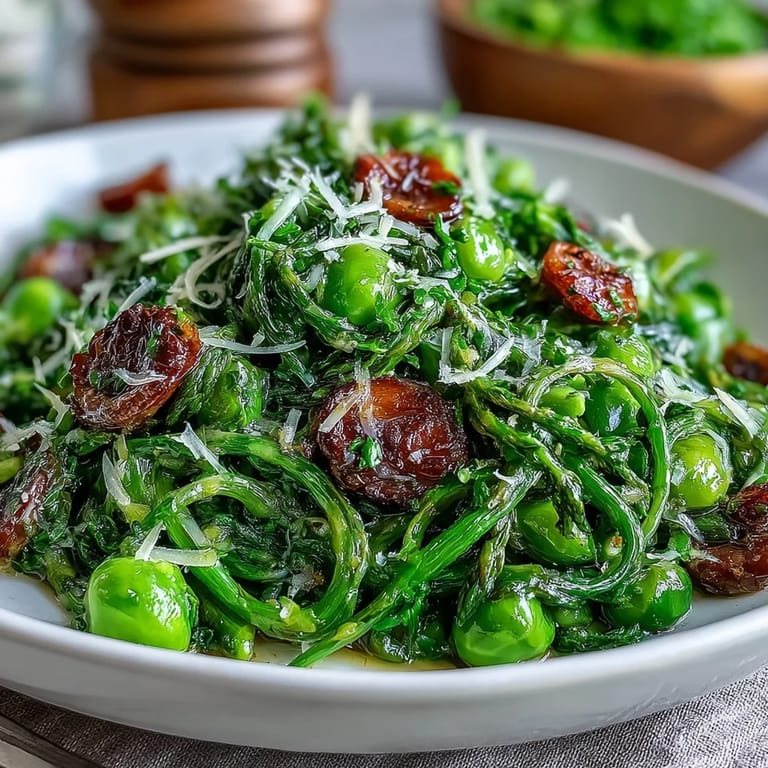
 There's something about spring that makes me want to shave vegetables into ribbons and pretend I'm at a fancy restaurant, except I'm standing in my kitchen in bare feet at noon on a Tuesday. This salad came about during one of those moments when the farmers market had more asparagus than I knew what to do with, and I remembered my mom's trick of turning tough stalks into something delicate and elegant with just a vegetable peeler. The first time I made it, I was skeptical that shaving asparagus would actually work, but the second I tasted that first bite—crisp, bright, nothing like cooked asparagus—I understood why she loved this technique so much.
I made this for a potluck last spring when everyone else brought casseroles and bread, and I was nervous that a raw salad wouldn't hold up. But something magical happened when people actually tried it—they came back for seconds, thirds, and one friend asked if I'd bring it to every gathering forever. That's when I realized this wasn't just a side dish, it was the kind of thing that makes people pause mid-conversation and say, 'Wait, this is just asparagus?'
Ingredients
- Fresh asparagus (about 300 g): Look for thin to medium stalks with tight tips—they'll shave more cleanly than thick ones, and the thinner pieces will stay tender without any tough, stringy bits.
- Fresh or frozen green peas (1 cup): If using frozen, just thaw them at room temperature while you prep everything else; frozen peas are actually perfect here because they're picked at peak sweetness.
- Baby arugula or mixed spring greens (2 cups): Baby greens are gentle enough not to overpower the asparagus, and they'll wilt slightly from the warm lemon dressing in the best way.
- Radishes (2, thinly sliced): They add a peppery snap that balances all the sweetness, but don't skip the slicing—thin radish coins are crucial for that crisp texture.
- Shaved Parmesan cheese (1/4 cup): Use a vegetable peeler or mandoline to create thin shards; this matters because thin cheese melts into the salad rather than sitting on top in clumps.
- Toasted pine nuts or slivered almonds (1/4 cup): Toast them yourself for 3-4 minutes in a dry pan if you can—store-bought toasted nuts sometimes taste a bit stale, and fresh-toasted ones change everything.
- Extra-virgin olive oil (3 tbsp): Quality actually matters here since the oil is doing heavy lifting in the dressing; cheap oil will make the whole thing taste flat.
- Freshly squeezed lemon juice (2 tbsp): Bottled lemon juice is a last resort—fresh juice has brightness that bottled just can't match, and you'll taste the difference immediately.
- Lemon zest (1 tsp): Zest your lemon before you juice it, and use a microplane if you have one; the little flecks of zest are where the real lemon flavor lives.
- Honey or maple syrup (1 tsp): This tiny bit of sweetness rounds out the lemon and prevents the dressing from tasting harsh or acidic.
- Dijon mustard (1 tsp): It's an emulsifier that helps the dressing stay together, and it adds a subtle complexity you won't be able to put your finger on but will absolutely taste.
- Sea salt and freshly ground black pepper: Grind the pepper fresh—pre-ground pepper tastes like dust compared to what a pepper mill gives you, and it's not even close.
Tired of Takeout? 🥡
Get 10 meals you can make faster than delivery arrives. Seriously.
One email. No spam. Unsubscribe anytime.
Instructions
- Shave the asparagus into ribbons:
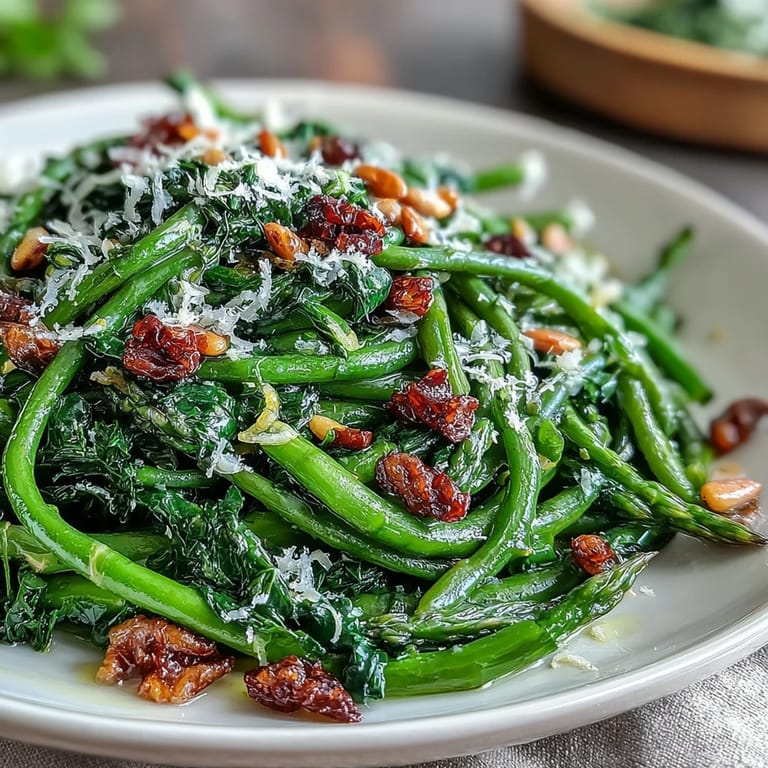
- Hold each stalk gently and run your vegetable peeler along the length in smooth, steady strokes, rotating as you go—you'll feel the moment it becomes smooth and ribbon-like. Stop when you reach the tender tip, which you can eat as is or chop up and add to the salad.
- Build your salad base:
- Toss the shaved asparagus, peas, greens, and radishes together in a large bowl, and don't worry if everything looks a little loose and casual right now. It's supposed to be tossed gently, not compacted, so the air stays between the leaves and the vegetables feel light.
- Whisk together the dressing:
- Combine the olive oil, lemon juice, zest, honey, mustard, salt, and pepper in a small jar or bowl, then whisk or shake hard for about 30 seconds until the mixture turns pale and slightly creamy. This emulsification is what keeps the dressing from separating and makes it feel luxurious instead of oily.
- Dress and toss with intention:
- Drizzle the dressing over everything and toss gently a few times with a light hand—you want to coat every piece without crushing the delicate greens or aspiragus ribbons. The goal is to let each vegetable taste the dressing, not to drown everything in it.
- Finish with cheese and nuts:
- Scatter the shaved Parmesan and toasted nuts over the top, or toss them in at the last second if you like—it depends on whether you want them mixed throughout or sitting like little flavor pockets on every bite. Either way, serve immediately while everything is cold and crisp.
 Save to Pinterest
 My sister once brought her new boyfriend to a family dinner, and I made this salad because it's the kind of dish that makes you seem effortlessly capable in the kitchen. He took one bite and asked what restaurant I'd trained at, which made me laugh so hard I almost dropped the salad bowl. That's when I realized this recipe isn't just food—it's a little moment of showing someone you care enough to make something that tastes special.
The Art of Shaving Vegetables
Once you figure out the vegetable peeler trick, you'll start looking at your crisper drawer differently. Zucchini, carrots, beets, and even summer squash all become silky and elegant when shaved thin, and they stay somehow fresher-tasting than when you cook them. The key is using a sharp peeler and having a gentle touch—it's less about strength and more about rhythm, almost meditative if you're in the mood for kitchen meditation.
Why This Dressing Works
The mustard in this dressing does something invisible but essential—it acts as an emulsifier, which means it helps the oil and lemon juice actually stay together instead of separating into layers. Without it, you'd have a dressing that splits back into oil and vinegar within minutes, which is fine for some salads but feels lazy for this one. The honey does something different; it's there to smooth out the sharp edge of the lemon and make the whole thing feel rounded instead of acidic, which is the difference between a dressing that tastes good and one that tastes thoughtful.
Storage, Variations, and Serving Ideas
This salad is best served the moment it's assembled, but the good news is that everything except the greens can be prepped an hour or two ahead and kept in separate containers in the fridge. The dressing will keep for about a week if you store it in a sealed jar, and honestly, you'll end up pouring it over other things because it's that good. For variations, try swapping the peas for blanched fava beans, add fresh mint or basil if the mood strikes, or use whatever toasted nuts you have hanging around—almonds, walnuts, even hazelnuts work beautifully.
- Serve this alongside grilled fish or chicken if you want to make it a more substantial meal without losing that fresh, spring-forward feeling.
- For a vegan version, simply skip the Parmesan and add extra nuts for the nutty, salty element you'd be missing.
- If you're making this for someone with nut allergies, the cheese and extra salt from the dressing will still keep it interesting and delicious.
 Save to Pinterest
 This salad reminds me that the simplest food can be the most satisfying, especially when you pay attention to each ingredient and treat the whole thing with a little care. Make it when asparagus is in season and you want to feel like spring just arrived on your plate.
Recipe Q&A
- → How do I prepare the asparagus for this salad?
Use a vegetable peeler to shave the asparagus stalks into thin, ribbon-like strips. This enhances the texture and appearance while keeping the vegetable crisp and fresh.
- → Can frozen peas be used instead of fresh?
Yes, thawed frozen peas work well and provide the same sweet, fresh flavor as fresh peas in this salad.
- → What dressing ingredients enhance the salad's flavor?
The lemon dressing combines extra-virgin olive oil, fresh lemon juice and zest, honey or maple syrup, Dijon mustard, salt, and pepper for a bright, tangy, and slightly sweet finish.
- → Are there good alternatives for the nuts and cheese?
To accommodate dietary preferences, you can omit the cheese or use plant-based alternatives, and swap pine nuts for toasted almonds or other preferred nuts.
- → How should this salad be served for best taste?
Serve immediately after tossing to maintain freshness, crispness, and the vibrant flavors of the lemon dressing and fresh vegetables.