 Save to Pinterest
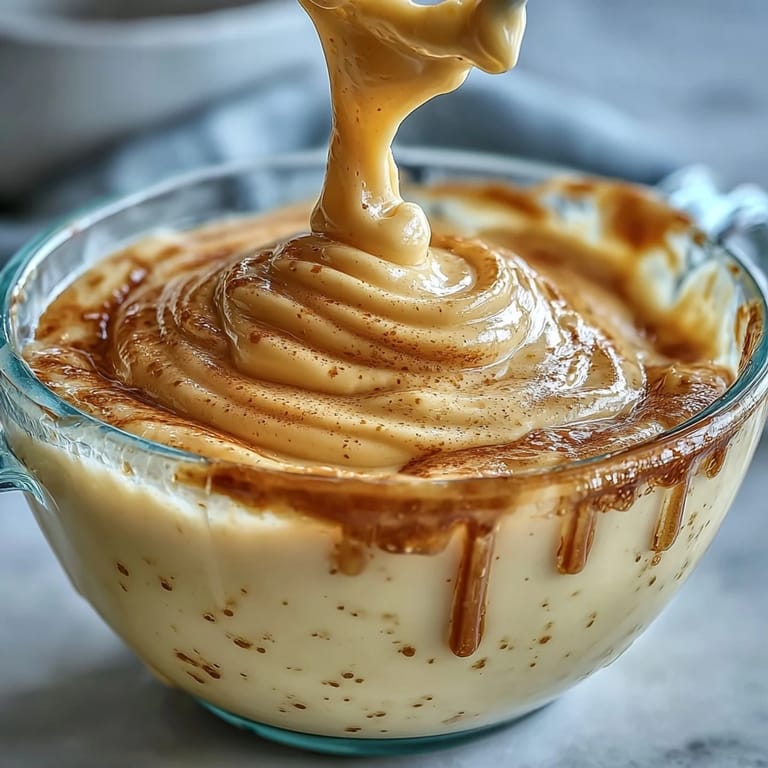
 The first time I attempted this speedy blender hollandaise, the kitchen was flooded with the scent of melted butter before I even realized what a game changer it would become. I was short on time, but the promise of a sauce as velvety as the classic — with half the fuss — lured me in. The blender whirred, egg yolks bright against the stainless steel, making the whole process feel almost mischievously simple. In less than three minutes, I was swirling golden sauce over asparagus and grinning at my culinary sleight of hand.
One chilly spring morning, I tried whipping this up for a surprise eggs Benedict while my partner was reading the paper. The moment he heard the blender, he peeked in, convinced I was making a smoothie — and his face when the silky hollandaise cascaded onto breakfast was priceless.
Ingredients
- Unsalted butter: Freshly melted butter gives the sauce body and shine — use high-quality butter for the richest flavor and make sure it's piping hot, but not browned.
- Large egg yolks: Separate them carefully, as even a drop of egg white can prevent your sauce from thickening perfectly — I always crack eggs into a bowl first just to be safe.
- Fresh lemon juice: The brightness is essential; tasting as you go lets you tailor the tang to your liking.
- Dijon mustard (optional): Just a dab stabilizes the emulsion and adds subtle depth, but you can skip it for a more classic flavor.
- Salt: Don't be shy with seasoning; it brings out all the other flavors in such a simple sauce.
- Cayenne or black pepper: A pinch is all you need to add a gentle warmth without making it spicy — swap black pepper in if you're after a milder finish.
Tired of Takeout? 🥡
Get 10 meals you can make faster than delivery arrives. Seriously.
One email. No spam. Unsubscribe anytime.
Instructions
- Melt the butter:
- Place the butter in a small saucepan or microwave-safe bowl and heat it until fully melted and bubbling, watching closely so it stays golden and doesn't brown.
- Prepare the blender base:
- Add the egg yolks, lemon juice, Dijon (if you're feeling fancy), salt, and a pinch of cayenne or black pepper to the blender — the tang of lemon immediately jumps out when you open the lid.
- Blend until combined:
- Blend on medium speed for 10 seconds, just until everything looks smooth and light in color.
- Drizzle in butter:
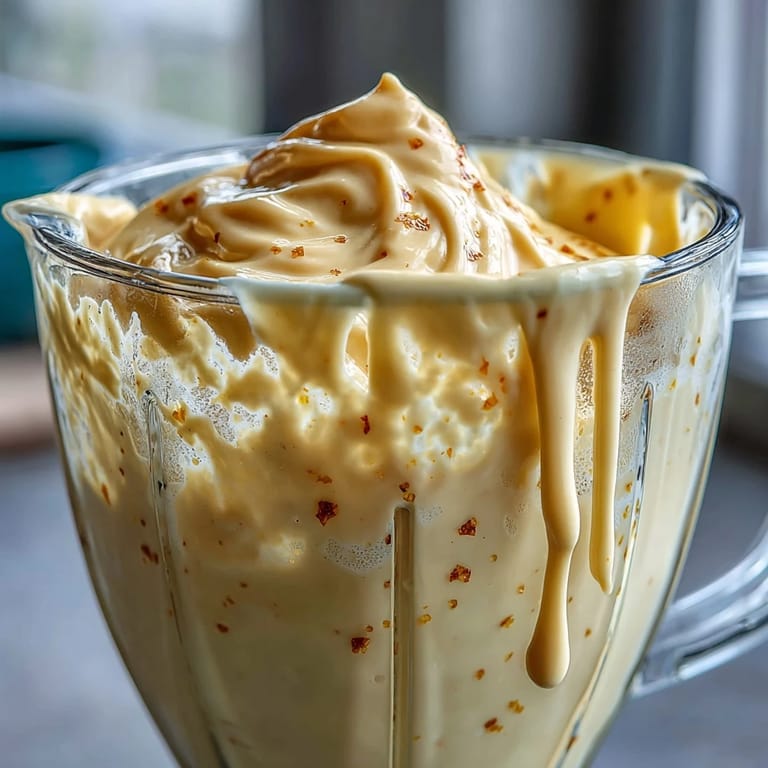
- With the blender running on low, slowly pour in the hot melted butter in a thin stream — it sizzles when it hits the egg mixture and quickly turns glossy and thick.
- Taste and finish:
- Check the seasoning and lemon balance, and blend again for a second or two if you want it extra fluffy; serve straight away over your favorite brunch or spring vegetables.
 Save to Pinterest
 There was a brunch last Easter when I nervously brought out this sauce, worrying it wouldn't last until everyone sat down. To my surprise, it was the first thing to vanish — wiped clean with bits of bread, not a drop left behind.
How to Keep Hollandaise Ready for Brunch
If you're juggling multiple brunch tasks, you can rest the blender pitcher in a bowl of warm (not hot) water to hold the sauce for about 30 minutes without it separating or thickening too much.
Adjusting the Texture to Your Liking
If you prefer a silkier or lighter sauce, whisk in a spoonful of hot water just before serving — I do this whenever I want a drizzle rather than a dollop for delicate vegetables or poached fish.
Classic Pairings and Creative Uses
Besides eggs Benedict, I've poured this hollandaise over everything from steamed artichokes to crispy roasted potatoes; its tanginess brightens even the simplest dish.
- Try it on roasted salmon for instant wow factor.
- Spoon over grilled spring asparagus while still warm.
- Make extra — leftovers never last but disappear delightfully on sandwiches.
 Save to Pinterest
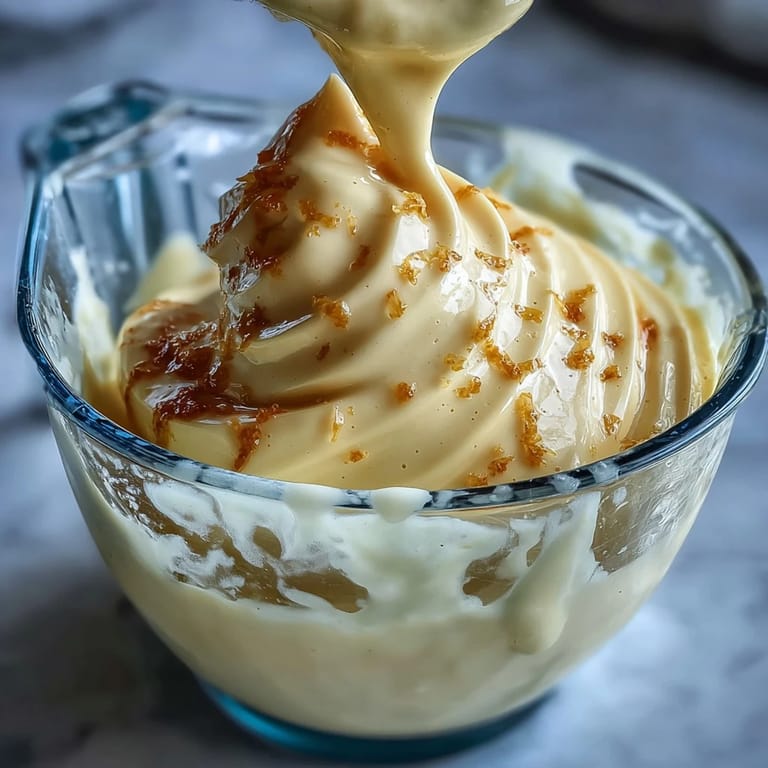
 No matter how busy the day, this quick hollandaise brings a little luxury to the table — and it always gets everyone reaching for seconds.
Recipe Q&A
- → Can I use whole eggs instead of yolks?
Whole eggs add extra water and can produce a thinner, less stable emulsion. For the classic silky texture, use yolks; if using whole eggs, expect a lighter, more custardy finish and reduce added liquid.
- → How do I fix a broken emulsion?
Start with a fresh yolk in a clean blender or bowl and slowly whisk in the broken mixture a few drops at a time, or add a tablespoon of hot water while blending to help re-emulsify.
- → Is clarified butter or oil a good swap?
Clarified butter yields a cleaner flavor and lighter mouthfeel; a neutral oil can be used for a lighter version. For best texture, warm the fat before adding it in a slow, steady stream.
- → How long can I keep the sauce warm?
Keep the blender jug nested in a bowl of warm (not hot) water for short periods. The sauce is best used immediately; gentle warmth for up to 20–30 minutes is fine but quality will decline over time.
- → Can I make this ahead of time?
The emulsion is freshest served right away. You can make it briefly ahead and rewhisk with a splash of hot water to loosen, but extended holding or refrigeration may change texture and require re-emulsifying.
- → Any tips for seasoning and serving?
Taste for lemon and salt at the end; a small pinch of cayenne or black pepper brightens the flavor. Classic pairings include eggs Benedict, poached salmon, steamed asparagus and artichokes.