 Save to Pinterest
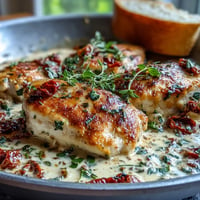
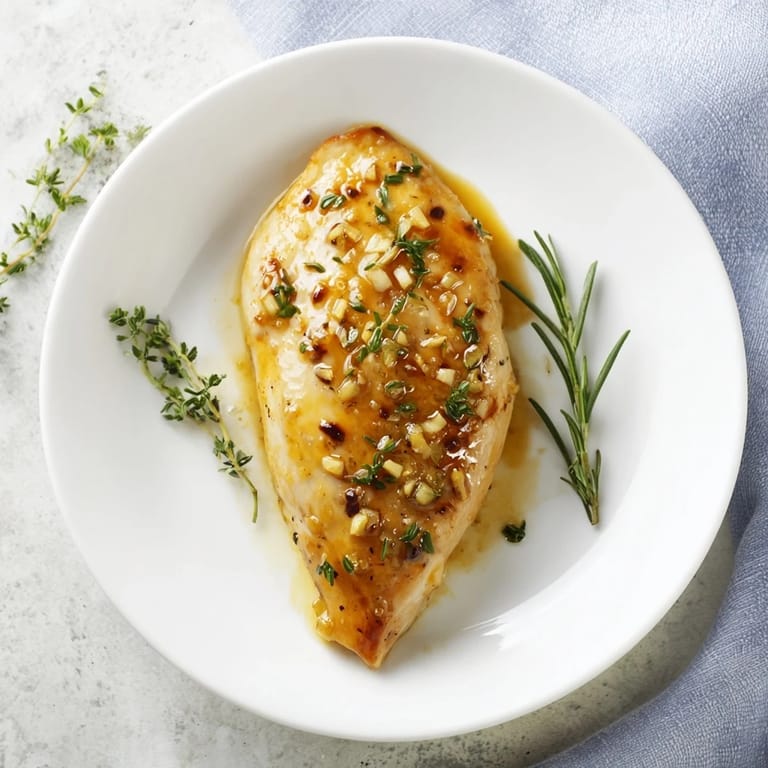
 My neighbor knocked on my door one Tuesday holding a jar of grainy mustard and a bottle of honey, asking if I had a quick chicken recipe that wasn't boring. We stood in my kitchen flipping through a few ideas, and this skillet came together almost by accident. The sauce bubbled up glossy and golden, clinging to the chicken like it had been doing this forever. We ate it straight from the pan with forks and a loaf of bread, and she left with the recipe scribbled on the back of a grocery receipt. It's been my go-to ever since when I need something fast that doesn't taste like I was in a hurry.
I made this for my brother's birthday dinner last spring, doubling the recipe and using a huge cast iron pan my mom gave me years ago. He's the kind of person who claims he doesn't like mustard, but he went back for seconds without saying a word. Later, he asked if I'd written the recipe down anywhere, and I realized it had become one of those dishes I just made without thinking. Now every time he visits, he hints that it's been a while since we had that chicken.
Ingredients
- Boneless, skinless chicken breasts (about 1½ lbs / 700 g): Pat them really dry before cooking or they won't get that golden crust, and try to find breasts that are similar in size so they cook evenly.
- Dijon mustard (1/3 cup): This is the backbone of the sauce, giving it sharpness and body without being overwhelming.
- Honey (1/4 cup): It smooths out the mustard's bite and helps the sauce caramelize just a little as it simmers.
- Whole-grain mustard (2 tablespoons): Adds texture and a bit more mustard punch, those little seeds make the sauce feel rustic and homemade.
- Garlic (3 cloves, minced): Fresh garlic blooms in the hot skillet and fills the kitchen with that warm, savory smell that makes everyone wander in asking what's for dinner.
- Apple cider vinegar (1 tablespoon): Just enough acidity to brighten everything up and keep the sauce from feeling too heavy.
- Low-sodium chicken broth (1/2 cup): Thins out the mustard mixture into a silky sauce and keeps the chicken moist as it simmers.
- Fresh thyme leaves (1 teaspoon or 1/2 teaspoon dried): Thyme loves mustard and chicken, adding an earthy note that ties the whole dish together.
- Fresh rosemary (1 teaspoon finely chopped or 1/2 teaspoon dried): A little goes a long way, so chop it fine or it can be woody, but it brings a piney warmth that feels cozy.
- Kosher salt (1/2 teaspoon) and black pepper (1/4 teaspoon): Season the chicken well before it hits the pan so every bite has flavor, not just the sauce.
- Olive oil (2 tablespoons): Gets the skillet hot and helps the chicken brown without sticking.
- Fresh parsley, chopped (optional garnish): A handful of green at the end makes the whole plate look alive and adds a fresh contrast to the rich sauce.
Tired of Takeout? 🥡
Get 10 meals you can make faster than delivery arrives. Seriously.
One email. No spam. Unsubscribe anytime.
Instructions
- Season the chicken:
- Use paper towels to pat the chicken breasts completely dry, then sprinkle both sides generously with salt and pepper. Dry chicken sears better and gets that beautiful golden color you want.
- Sear the chicken:
- Heat the olive oil in a large skillet over medium-high heat until it shimmers, then lay the chicken breasts in without crowding them. Let them sear undisturbed for 3 to 4 minutes per side until they're golden brown, then transfer them to a plate.
- Cook the garlic:
- Lower the heat to medium and add the minced garlic to the same skillet, stirring it around for about 30 seconds until it smells amazing. Don't let it burn or it'll taste bitter.
- Build the sauce:
- Stir in the Dijon mustard, whole-grain mustard, honey, apple cider vinegar, and chicken broth, whisking everything together until it's smooth. Bring it to a gentle simmer and watch it start to thicken just a bit.
- Add the herbs and chicken:
- Sprinkle in the thyme and rosemary, then nestle the chicken breasts back into the skillet and spoon some of that glossy sauce over the tops. Cover the skillet with a lid and let everything simmer together for 10 to 12 minutes until the chicken is cooked through and reads 165°F on a thermometer.
- Thicken and finish:
- Remove the lid, turn the heat up just a little, and let the sauce bubble uncovered for 2 to 3 minutes to concentrate the flavors. Sprinkle with chopped parsley if you have it and serve straight from the skillet.
 Save to Pinterest
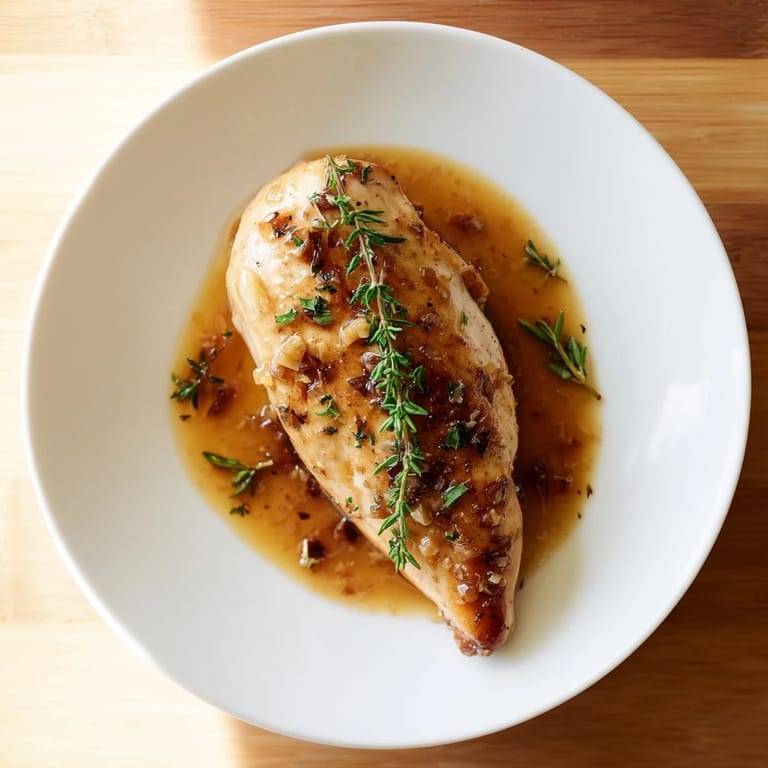
 One night I served this over a big pile of buttery mashed potatoes, and my daughter used her fork to drag every last bit of sauce off her plate. She looked up and said it tasted like the kind of dinner you'd get at a restaurant, and I realized that sometimes the simplest things feel the most special. It's become the meal I make when I want my kitchen to feel like the heart of the house, warm and full and just a little bit indulgent.
What to Serve Alongside
This chicken begs for something to soak up the sauce, so I usually reach for rice, mashed potatoes, or even a crusty baguette torn into pieces. Roasted vegetables like green beans, Brussels sprouts, or carrots add color and a bit of char that contrasts nicely with the creamy mustard. A simple green salad with a sharp vinaigrette cuts through the richness and makes the whole plate feel balanced. Sometimes I'll toss together garlic butter pasta or creamy polenta if I'm feeling a little fancy, and it always disappears fast.
How to Store and Reheat
Leftovers keep in an airtight container in the fridge for up to three days, and honestly they might taste even better the next day once the flavors have melded. Reheat gently in a skillet over low heat with a splash of chicken broth or water to loosen the sauce, or use the microwave in short bursts so the chicken doesn't dry out. If you want to freeze it, let everything cool completely, then store it in a freezer-safe container for up to two months. Thaw it overnight in the fridge and reheat slowly, adding a little extra liquid if the sauce has thickened too much.
Ways to Make It Your Own
Swap the chicken breasts for bone-in thighs if you want something richer and more forgiving, just add a few extra minutes to the cooking time. Stir in a couple tablespoons of heavy cream at the end for a sauce that's luscious and pale gold, almost like a French bistro dish. If you like a little heat, add a pinch of red pepper flakes or a dash of hot sauce to the sauce as it simmers.
- Try swapping the apple cider vinegar for white wine vinegar or a splash of white wine for a slightly different tang.
- Use maple syrup instead of honey for a deeper, more caramelized sweetness.
- Toss in a handful of spinach or kale during the last few minutes of cooking for some extra greens.
 Save to Pinterest
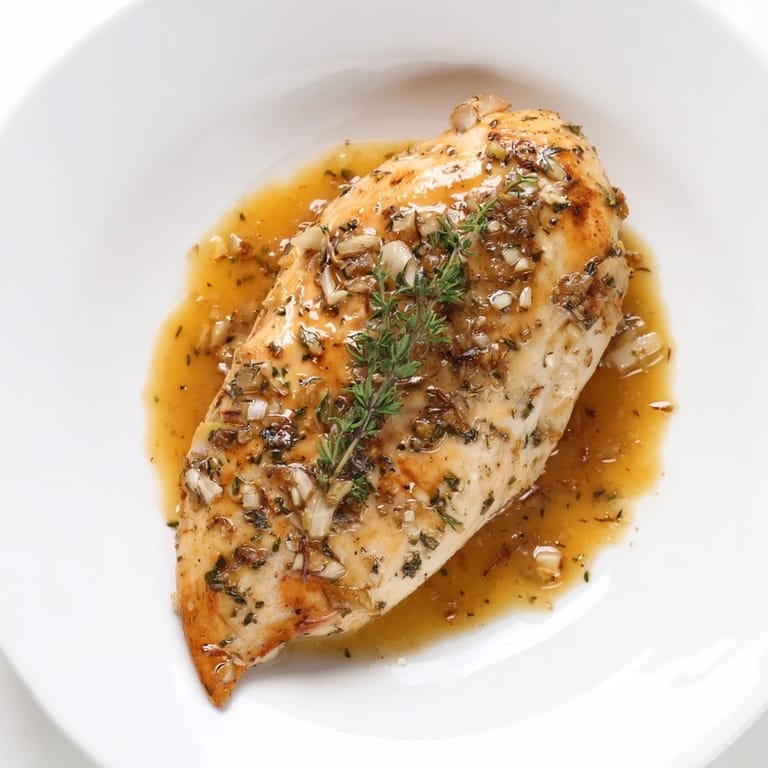
 This skillet has pulled me out of more weeknight slumps than I can count, and it never feels like I'm compromising on flavor just because I'm short on time. I hope it becomes one of those recipes you reach for without thinking, the kind that makes dinner feel like something worth sitting down for.
Recipe Q&A
- → Can I use chicken thighs instead of breasts?
Yes, chicken thighs work wonderfully and stay juicier than breasts. Increase simmering time to 15-18 minutes to ensure they're fully cooked through.
- → How do I make the sauce thicker?
After the chicken finishes cooking, remove the lid and simmer uncovered for 2-3 minutes over slightly higher heat. The sauce will reduce and thicken naturally. Alternatively, whisk in 2 tablespoons of heavy cream for a creamier consistency.
- → What's the best way to ensure moist chicken?
Don't overcook the chicken. Use a meat thermometer and remove from heat once the internal temperature reaches 165°F (74°C). Even a few degrees higher can dry it out. Searing the breasts first locks in moisture.
- → Is this truly gluten-free?
As written, yes. However, double-check your chicken broth and mustard labels, as some brands contain hidden gluten or additives. Choose certified gluten-free products if serving those with dietary restrictions.
- → Can I prepare this ahead of time?
You can prepare the sauce components ahead, but cook the chicken fresh for best texture. Reheating cooked chicken can make it rubbery. Leftovers keep refrigerated for 3-4 days and can be gently reheated over low heat.
- → What side dishes pair best with this dish?
Creamy mashed potatoes, buttered rice, or roasted vegetables complement the sweet and tangy sauce beautifully. Green beans, asparagus, or root vegetables also work well to balance the rich, savory flavors.