 Save to Pinterest
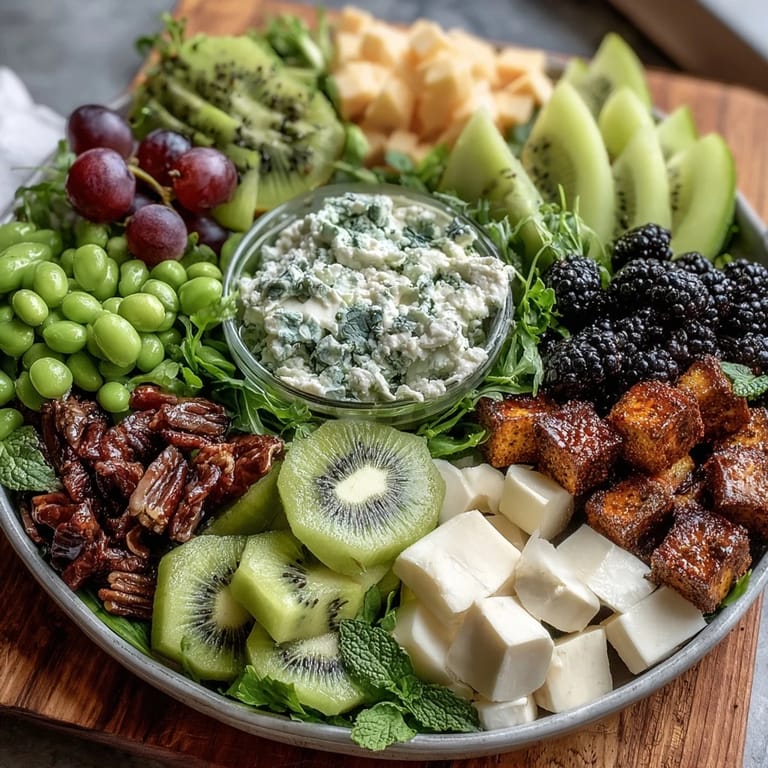
 My friend texted me three days before St. Patrick's Day asking if I could bring something green to her party, and honestly, my first instinct was to panic about cooking. Then it hit me—a board. A beautiful, effortless board that would let everyone graze and feel festive without me stress-baking in the kitchen. I spent an hour at the market just gravitating toward every shade of green produce I could find, and watching people's faces light up when they saw it all arranged together made me realize this was exactly what the day needed.
That first board I made taught me something unexpected—people linger around food they can pick at themselves. My guests weren't rushing through appetizers; they were standing there for twenty minutes, trying combinations, laughing about how ridiculously green everything was, making jokes about leprechauns. One friend discovered she loved wasabi peas that day and now requests them at every gathering. Food boards turned out to be less about the individual ingredients and more about creating a moment where people slow down.
Ingredients
- Green grapes: They stay firm and sweet, providing little bursts of refreshment between bites of cheese and savory snacks.
- Kiwis, peeled and sliced: Slice these right before serving so they don't dry out, and arrange them cut-side-up for that beautiful interior pattern.
- Green apple, cored and sliced: A crisp variety like Granny Smith prevents the mealy texture, and a squeeze of lemon juice keeps the slices from browning.
- Honeydew melon, cubed: Pick one that smells fragrant at the stem and feels heavy for its size—that's your guarantee of sweetness.
- Sliced cucumber: Leave the skin on for color and texture, and remove the watery center seeds with a quick knife swipe if they seem too prominent.
- Sugar snap peas: Buy them still attached to their stems if possible, and keep them cold until the last moment for maximum crunch.
- Broccoli florets: Cut these smaller than you think you need—bite-sized pieces are far more inviting than large crowns.
- Celery sticks: Cut them into varied lengths and stand them upright in the board for visual interest, not just straight lines.
- Green bell pepper strips: These add a slight sweetness and pretty striped look when you leave a bit of the white membrane visible.
- Cubed white cheddar or Irish cheddar: Cut these into half-inch cubes so they're easy to grab, and let them sit at room temperature for ten minutes before serving so the flavor comes alive.
- Herbed cream cheese or Boursin: Drop small dollops onto the board rather than serving it in a bowl—people are more likely to try it when it's right there.
- Guacamole or avocado dip: Drizzle a thin layer of lime juice over the top to prevent browning, and replenish it halfway through the party.
- Ranch or green goddess dressing: A green goddess dressing feels more intentional for this theme, though honestly any creamy green dip does the trick.
- Green tortilla chips or veggie chips: Toss out half of what you think you need before guests arrive because they disappear faster than anything else.
- Wasabi peas: These are your spicy surprise element—scatter them thoughtfully so people discover them rather than knowing they're there.
- Green olives, pitted: Brined olives add a salty, briny punch that balances all the sweet fruit on the board.
- Pistachios, shelled: Toast them lightly in a dry pan for thirty seconds to wake up their flavor, then cool completely before adding to the board.
- Green gummy candies or chocolate-covered mint candies: These are your finishing touch for sweetness and whimsy, so scatter them in clusters rather than spreading them throughout.
- Matcha chocolate or mint chocolate squares: These feel fancier than regular candies and add a grown-up sweetness to balance the savory elements.
Tired of Takeout? 🥡
Get 10 meals you can make faster than delivery arrives. Seriously.
One email. No spam. Unsubscribe anytime.
Instructions
- Start with the canvas:
- Wash and completely dry every single fruit and vegetable—wet produce will slide around and won't stay in place. Pat everything with a clean kitchen towel and let it air-dry for a few minutes before you start building.
- Prep with a plan:
- Slice the apple, kiwis, cucumber, and melon on a cutting board, doing this just minutes before assembly so nothing browns or dries out. Keep each ingredient in a separate bowl so you can control placement rather than grabbing from a pile.
- Build the foundation:
- Start by arranging the larger items like melon cubes and apple slices in loose clusters across the board—think of them as anchors that everything else flows around. Leave some white board showing; it actually makes the green colors pop more dramatically.
- Add the structure:
- Nestle vegetables next, standing broccoli upright and creating small piles of sugar snap peas and celery sticks. These structural elements create height variation that makes the whole board look thoughtful and intentional.
- Position the dips and cheese:
- Place small bowls of dips on the board itself, embedding them slightly into any gaps, and scatter cheese cubes between the fresh items. If you're using a herbed cream cheese, make small dollops with a spoon rather than a bowl to save space.
- Fill the empty spaces:
- This is where tortilla chips, wasabi peas, olives, and pistachios create visual movement and fill those white gaps. Cluster similar items together rather than scattering individual pieces everywhere.
- Crown it with sweetness:
- Scatter gummy candies and chocolate squares across the board as the final layer, creating little color surprises throughout. This is your moment to play with placement and make it feel festive and celebratory.
- Add a flourish:
- If you have fresh mint or parsley, tuck small sprigs into crevices between items for a professional look and an herbal fragrance. Serve immediately while everything is still crisp and cold.
 Save to Pinterest
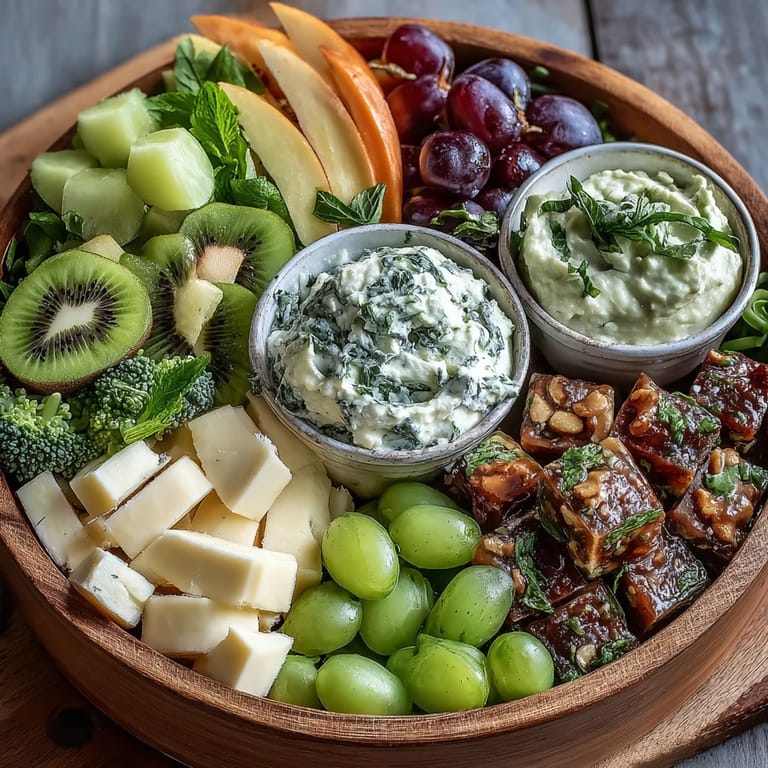
 What surprised me most was how a simple board became the centerpiece of conversation at that St. Patrick's Day party. People kept coming back, discovering new flavor combinations, and someone even asked me to make one for their daughter's birthday. It taught me that the most memorable food moments aren't always the most complicated ones.
The Magic of Color and Variety
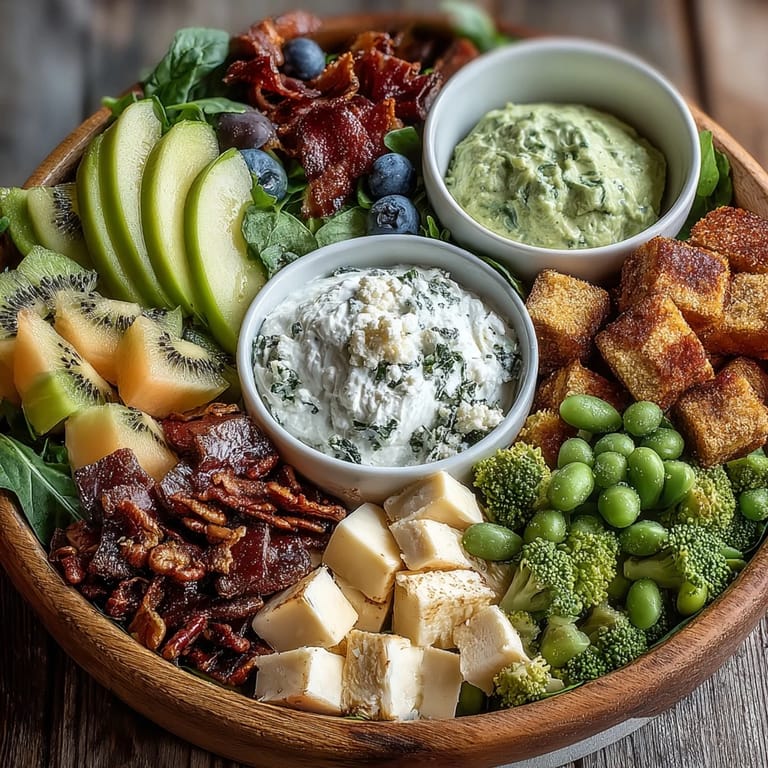
Building a green board is less about following rules and more about understanding contrast and balance. When you stand back and look at it before guests arrive, you want to see variety in texture, size, and shade—some bright lime greens from the kiwi, deeper forest greens from the broccoli, the muted sage of celery. The board becomes a landscape rather than just a collection of snacks, and that's what draws people in and makes them stay.
Timing and Temperature
One thing I learned after making several boards is that temperature control is everything. Cold items stay appealing much longer than room-temperature ones, so I started chilling the actual board in the freezer for ten minutes before assembly, and now I understand why restaurant charcuterie boards are always served on marble. If you don't have a marble board, pop your regular one in the fridge beforehand and you'll notice an immediate difference in how long items stay fresh and appetizing.
Making It Your Own
The beauty of a board is that you're not locked into these exact ingredients—think of this as a template for any seasonal green produce you find at your market or garden. I've made versions with everything from green beans to zucchini to even green curry cashews when I found them at a specialty shop. The principle stays the same: mix textures, layer in color variations, and create little flavor surprises throughout.
- For a vegan version, swap the cheeses for cashew-based dips and herbed tofu, which honestly taste amazing and no one notices the difference.
- If you're feeding kids, reduce the wasabi peas and increase the gummy candies and chips to match their preferences—it's still festive and fun.
- Remember that leftovers on a board are eaten almost immediately, so don't stress about prepping too much unless it's for a massive crowd.
 Save to Pinterest
 A green board is your permission to celebrate without stress, to feed people effortlessly, and to create a moment where the food brings everyone together. Make it with intention, serve it with pride, and watch what happens when you give people permission to slow down and enjoy.
Recipe Q&A
- → What fruits are included in the green board?
The board features green grapes, kiwis, green apple, honeydew melon, and sliced cucumber for a fresh variety of flavors.
- → Can this board accommodate dietary restrictions?
Yes, it can be adapted for vegetarian and gluten-free diets by selecting suitable cheeses and snacks or vegan alternatives.
- → What cheeses complement the green ingredients?
White cheddar, Irish cheddar, herbed cream cheese, and Boursin pair well with the fresh fruits and vegetables.
- → How can I arrange the board attractively?
Lay out ingredients artfully with fruits and veggies grouped, add cheese cubes and dips in small bowls, and fill gaps with savory snacks and sweet treats.
- → Are there pairing suggestions for beverages?
Pair the green board with sparkling apple cider or a crisp Sauvignon Blanc to complement its fresh flavors.
- → What tools help in preparing this board?
Use a large serving board, small bowls for dips, a sharp knife, cutting board, and serving tongs or picks for easy assembly and serving.