 Save to Pinterest
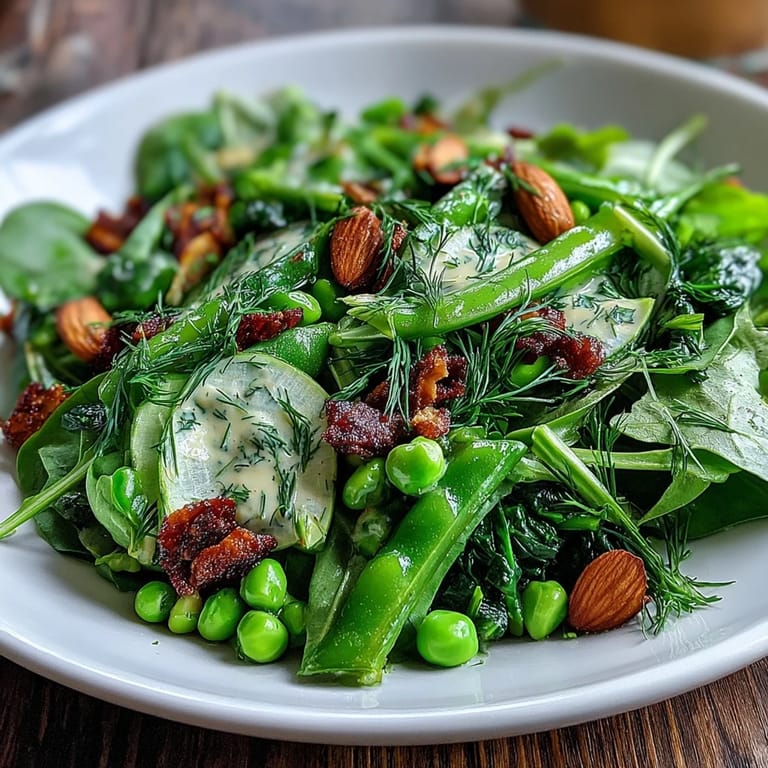
 There's something about spring that makes you crave vegetables you haven't thought about in months. One afternoon, while picking up greens at the farmer's market, I found myself holding arugula, watercress, and snap peas all at once, and it hit me that these bright, peppery flavors needed nothing more than a simple honey mustard dressing to shine. That evening, I toasted some almonds on a whim, and the kitchen filled with this nutty warmth that made everything feel intentional. This salad became my answer to those in-between meals when you want something fresh but satisfying.
I made this for a small potluck last spring, bringing it in a big wooden bowl, worried it might wilt in the car ride. When I arrived and tossed it one more time before serving, something shifted in how I thought about salads. A friend who usually pushed greens to the side came back for thirds, and I realized it wasn't about tricking people into eating vegetables—it was about building flavors that made vegetables impossible to ignore.
Ingredients
- Mixed spring greens: Arugula brings peppery bite, baby spinach adds earthiness, and watercress cuts through with sharp freshness—use what your market has, but try to mix at least three varieties so no single flavor dominates.
- Snap peas: Their natural sweetness and snappy texture prevent the salad from feeling too delicate, and they're forgiving enough that even slightly older ones still work.
- Cucumber: Slice it thin so it wilts slightly into the dressing rather than sitting heavy and waterlogged.
- Radishes: These are your insurance policy against blandness—their peppery crunch lingers even after the greens soften.
- Fresh herbs: Chives add mild onion notes while parsley brightens everything without overpowering.
- Sliced almonds, toasted: Toasting them yourself transforms bland nuts into something with personality and warmth that makes the whole salad taste intentional.
- Extra virgin olive oil: This is where quality matters because the oil sits right on top of everything—use one you'd taste on its own.
- Apple cider vinegar: It has enough character to balance honey without aggressive sharpness like white vinegar would bring.
- Dijon mustard: Just two teaspoons is enough to emulsify the dressing and add subtle spice that makes you pause and wonder what you're tasting.
- Honey: A whisper of sweetness that doesn't announce itself but makes all the other flavors feel rounder and more complete.
Tired of Takeout? 🥡
Get 10 meals you can make faster than delivery arrives. Seriously.
One email. No spam. Unsubscribe anytime.
Instructions
- Toast those almonds first:
- Spread them in a dry skillet over medium heat, stirring every few seconds so they toast evenly rather than burning in scattered patches. You'll smell when they're ready—that nutty, almost caramel aroma is your signal to pull them off heat immediately and spread them on a plate to cool.
- Build your dressing with intention:
- Whisk oil, vinegar, lemon juice, mustard, honey, and minced garlic in a small bowl until the honey dissolves completely and everything turns slightly creamy. Taste it before seasoning—sometimes you'll realize you want more lemon brightness or a pinch more salt.
- Prepare your greens without rushing:
- Wash and dry them well, then combine everything except almonds in your largest salad bowl so you have room to toss without losing leaves on the counter. The drier your greens, the better they'll hold the dressing rather than sliding into a soggy pile.
- Dress and toss gently:
- Drizzle dressing over greens and use two forks or salad servers to toss with a light hand, lifting and turning rather than aggressively stirring so delicate leaves stay whole. You want every leaf coated but not drowning.
- Finish with almonds at the last second:
- Sprinkle toasted almonds on top just before serving so they stay crispy instead of softening into the dressing. This final crunch is what transforms the salad from nice to memorable.
 Save to Pinterest
 Years ago, I served an earlier version of this salad to my grandmother, who declared that salad was just filler between main courses. She ate almost half this bowl without noticing, and halfway through, she stopped and asked what was in the dressing because it tasted like something with purpose. That moment taught me that good salads aren't about volume or virtue—they're about building enough flavor and texture that people forget they're supposed to want something else.
When to Serve This Salad
Spring feels like the obvious answer, but I've made this in winter using greenhouse greens and it still reminds me why I love it. Summer calls for adding grilled chicken or shrimp if you want protein, while fall lets you sneak in some roasted beets or pumpkin seeds without changing the essential character. The honey mustard dressing is flexible enough to work with whatever produce your season offers, which means you can return to this salad year-round and it never feels stale.
Building Flavor Layers
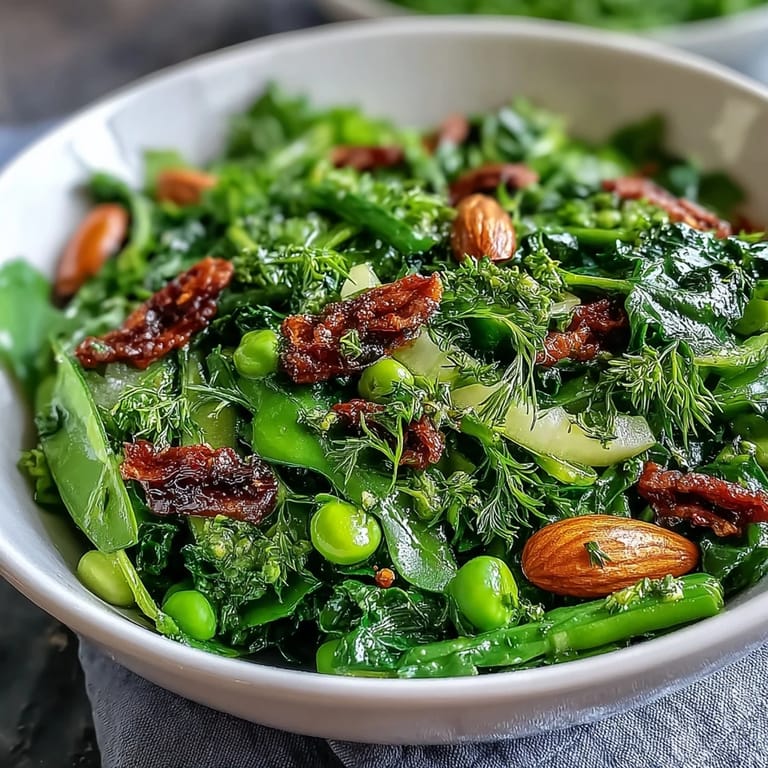
The secret to this salad isn't any single ingredient but how they talk to each other. Peppery greens meet sweet snap peas, sharp radishes balance creamy almonds, and the dressing ties everything into a conversation rather than a collection of parts. When you taste it, you're not tasting individual vegetables—you're tasting how a dijon mustard note finds the honey sweetness, how lemon brightness cuts through olive oil richness, and how fresh herbs remind your mouth that everything started in soil.
Make It Your Own
The beauty of this framework is that it invites personalization without becoming unrecognizable. I've added crumbled goat cheese when I wanted something creamier, swapped maple syrup for honey without losing the dressing's essential character, and even scattered pomegranate seeds on top when I found them at the market. The core—peppery greens, bright dressing, crunchy almonds—stays constant while everything else bends to what you have on hand or what sounds appealing.
- Goat cheese or feta adds creaminess and tang that plays beautifully with the honey mustard notes.
- Maple syrup works perfectly if you're vegan or just prefer its deeper molasses warmth over honey's lighter floral quality.
- This salad pairs with chilled Sauvignon Blanc or light rosé if you're looking to turn it into a complete meal.
 Save to Pinterest
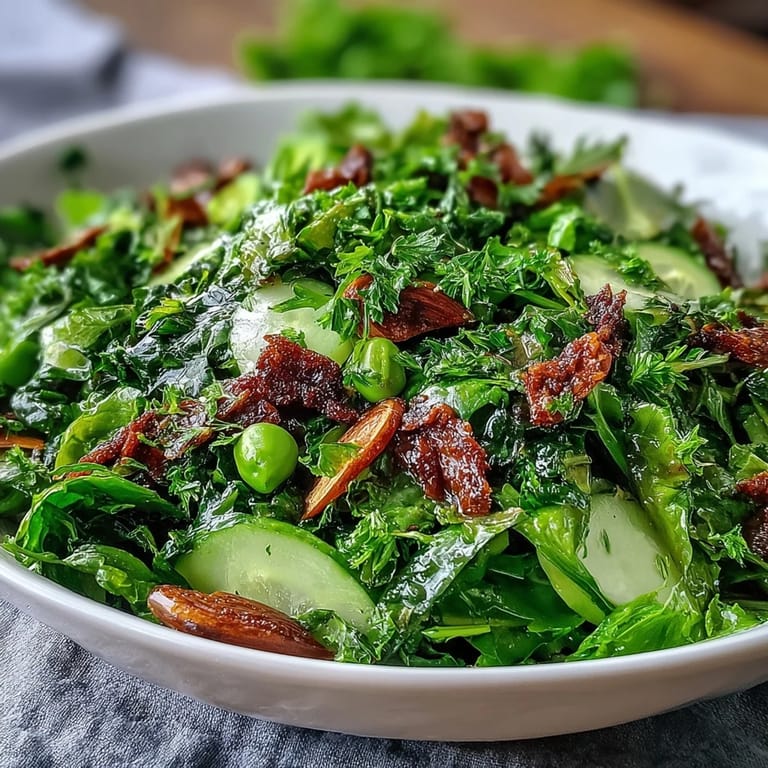
 This salad taught me that simple doesn't mean boring, and that sometimes the most satisfying meals come from respecting good ingredients and letting them be themselves. Make it tonight, and you'll understand why I keep returning to it.
Recipe Q&A
- → How do I toast almonds perfectly?
Toast sliced almonds in a dry skillet over medium heat, stirring frequently for 2-3 minutes until golden and fragrant. Watch closely to prevent burning.
- → Can I substitute honey in the dressing?
Yes, maple syrup works well as a vegan alternative, providing similar sweetness and consistency without altering the flavor balance drastically.
- → What greens work best in this salad?
A mix of arugula, baby spinach, watercress, and baby lettuce creates the ideal fresh and crisp base with varied flavors and textures.
- → How should I store leftovers?
Keep the salad and dressing separate and refrigerated. Combine just before serving to maintain crispness and prevent sogginess.
- → What drinks pair well with this dish?
Light white wines such as Sauvignon Blanc or a chilled rosé complement the freshness and subtle tartness of the honey mustard dressing.