 Save to Pinterest
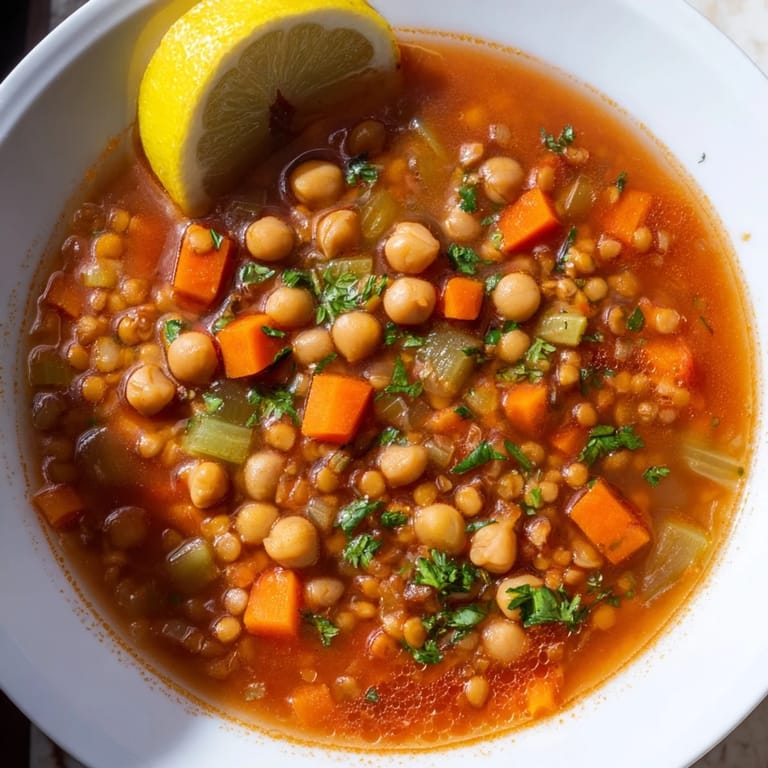
 The first time I tasted harira, it was a Tuesday evening in late autumn, and a Moroccan friend had invited me over on a whim. The soup was simmering on her stove, releasing this incredible cloud of warmth that smelled like cinnamon, tomatoes, and something I couldn't quite name—maybe hope, maybe just good spices. She told me it was harira, that her mother made it every year when the weather turned cold, and that it meant something different to everyone who cooked it. I've been chasing that feeling ever since.
Years later, I made this soup on a night when my partner came home exhausted from work, and I watched their whole body relax as they took that first spoonful. There was no fancy plating or impressive technique—just a bowl of something honest and warm that made them sit down and stop thinking about everything stressful. That's when I realized harira isn't really about the cooking; it's about the moment you're creating around the table.
Ingredients
- Dried chickpeas (1 cup, soaked overnight) or canned (2 cups): These are the backbone of harira—they absorb all those spices and become almost creamy as they cook. I learned the hard way that canned chickpeas work just fine if you're short on time, though soaked dried ones have a slightly better texture.
- Dried lentils (1/2 cup): Red or brown lentils both work, but brown ones hold their shape better and give the soup more substance without turning mushy.
- Olive oil (2 tbsp): Use good oil here since it's foundational to the flavor, not just for cooking.
- Onion, celery, and carrots: This aromatic base is where the soup's depth begins—don't rush this step or skip the celery, as it adds a subtle earthiness.
- Garlic (3 cloves, minced): Fresh garlic makes all the difference; jarred just doesn't have the same brightness.
- Ground cumin, cinnamon, ginger, turmeric, paprika (1 tsp, 1 tsp, 1/2 tsp, 1/2 tsp, 1/2 tsp): These spices are what make harira sing—toast them slightly in the oil to wake them up before adding liquid.
- Canned tomatoes (1 can, 400g) and tomato paste (2 tbsp): The tomato paste deepens the color and flavor significantly, so don't skip it even though it seems like a small detail.
- Dried apricots (1/2 cup, chopped): This is the secret weapon that makes people ask what you put in it—they dissolve into the broth and add a gentle sweetness and complexity that feels almost mysterious.
- Fresh cilantro and parsley (1/4 cup each): These herbs go in at the very end, and they brighten everything just before serving.
- Vegetable broth (6 cups): Use the best broth you can find or make your own; it's not just background flavor here.
- Lemon juice (from 1 lemon): The acid at the end ties everything together and prevents the soup from tasting flat or one-dimensional.
Tired of Takeout? 🥡
Get 10 meals you can make faster than delivery arrives. Seriously.
One email. No spam. Unsubscribe anytime.
Instructions
- Start your flavor foundation:
- Heat olive oil in a large soup pot over medium heat and add your chopped onion, celery, and carrots. Let them soften for 6 to 8 minutes, stirring occasionally, until the onion becomes translucent and the whole pot smells sweet and a little caramelized. This is your chance to build flavor before anything else happens.
- Wake up the spices:
- Add your minced garlic and all the spices—cumin, cinnamon, ginger, turmeric, paprika, and cayenne if you want it—and stir constantly for just one minute. You'll smell everything come alive, and that's your signal that the heat has activated the oils in the spices.
- Deepen the color and richness:
- Stir in your tomato paste and let it cook for another minute, coating everything and darkening slightly. Then add your chopped tomatoes, drained chickpeas, lentils, and chopped apricots, stirring everything together until well combined.
- Let it simmer and become itself:
- Pour in your vegetable broth and bring the whole pot to a boil, then reduce the heat and let it simmer uncovered for 45 to 50 minutes. Stir occasionally and taste as you go—you're waiting for the chickpeas and lentils to become completely tender and the flavors to meld into something that tastes like it's been cooking for hours.
- Finish with brightness:
- Stir in your fresh cilantro, parsley, and the juice from your lemon, then adjust the salt and pepper to taste. This is where the soup shifts from rich and warm to something that feels alive and vibrant.
- Make it heartier (optional):
- If you want a thicker, more substantial soup, stir in some cooked vermicelli or rice. This is traditional and makes it feel more like a complete meal.
 Save to Pinterest
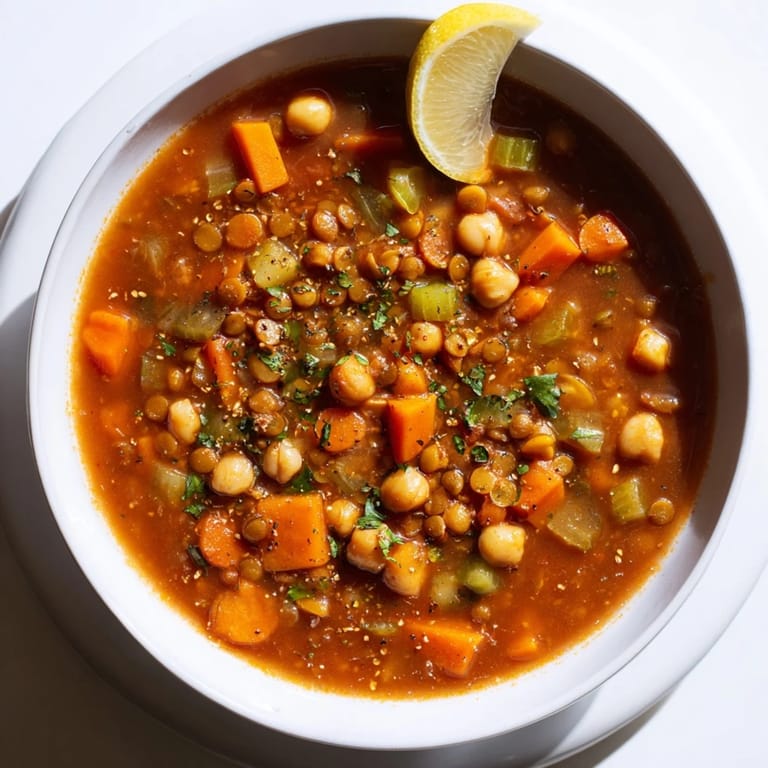
 There's a particular moment when harira stops being a collection of ingredients and becomes something complete—usually around the 40-minute mark, when your whole kitchen smells like a spice market and the broth has taken on this beautiful, deep amber color. I sit down with a spoon and taste it, and there's always this small joy in discovering something I made myself tastes this good.
The Apricots Are Not Optional
I once made harira without the apricots because someone mentioned they didn't like dried fruit, and the soup was fine—technically delicious—but it felt one-dimensional. The apricots aren't there to make it sweet; they're there to add depth and a subtle complexity that makes people stop and wonder what they're tasting. Even people who claim they don't like dried fruit in savory dishes ask me about it when they eat this soup. Trust the recipe on this one.
Timing and Flexibility
The beauty of harira is that it doesn't demand perfect timing—it actually improves when you let it sit overnight and reheat it gently the next day. The flavors meld together, and everything tastes rounder and more integrated. I often make it in the morning to serve for dinner, or on a weekend to have on hand throughout the week. It also freezes beautifully for up to three months, so there's no pressure to eat it all at once.
Serving and Variations
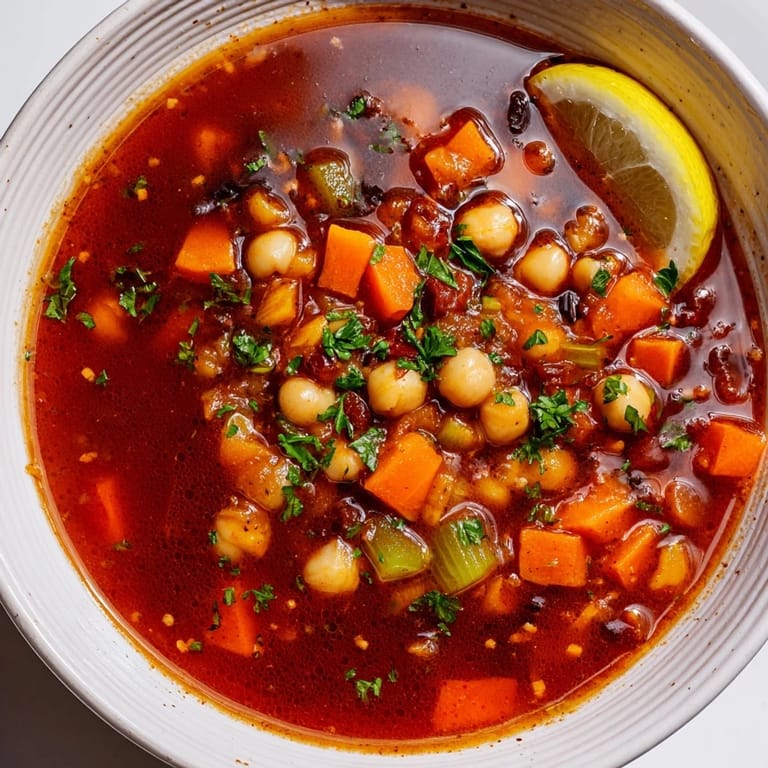
Harira tastes best served piping hot in deep bowls, with lemon wedges on the side so everyone can squeeze in as much or as little brightness as they want. Some people like to add a handful of fresh cilantro on top, others prefer their soup completely plain, and some crumble in a few torn pieces of bread for substance. The beauty is that it works for any number of occasions—a quiet weeknight dinner, a festive gathering, even a simple lunch when you want something that feels special without being complicated.
- For a spicier version, increase the cayenne to 1/2 teaspoon or add a teaspoon of harissa paste for depth and heat.
- If you want to make it heartier, stir in cooked vermicelli, rice, or even small pasta shapes during the last few minutes of cooking.
- Feel free to swap dried apricots for dried figs or dates if that's what you have on hand—each brings its own sweetness and complexity.
 Save to Pinterest
 Harira is the kind of soup that reminds you why people have been cooking the same dishes for generations—not because there's nothing new to invent, but because some combinations of flavors and warmth and comfort just work. Make it once, and you'll understand why.
Recipe Q&A
- → What legumes are used in this dish?
Chickpeas and lentils form the hearty base, providing protein and texture to the stew.
- → Which spices enhance the flavor?
A warming blend of cumin, cinnamon, ginger, turmeric, paprika, and optional cayenne pepper enriches the stew’s aromatic profile.
- → How can I make it vegan?
Use vegetable broth and ensure all ingredients are plant-based; the dish naturally suits vegan preferences.
- → Can this be prepared ahead?
Yes, flavors deepen when stored overnight, making it an excellent dish for preparing in advance.
- → What garnishes complement this stew?
Fresh cilantro, parsley, lemon wedges, and optionally cooked vermicelli or rice enhance texture and brightness.
- → Is it possible to adjust the spice heat?
Cayenne pepper is optional; omitting it keeps the stew mild while preserving rich flavors.