 Save to Pinterest
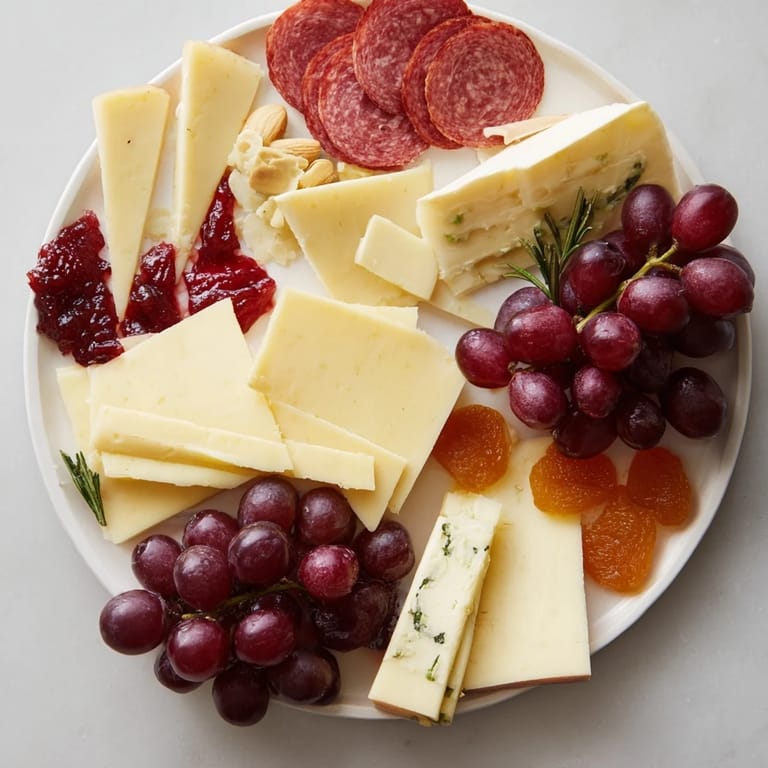
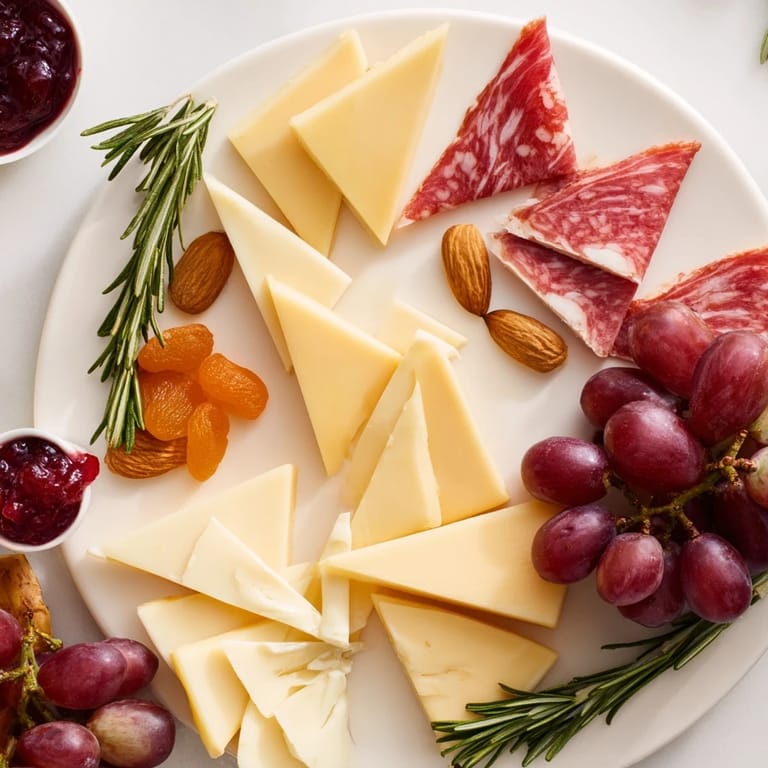
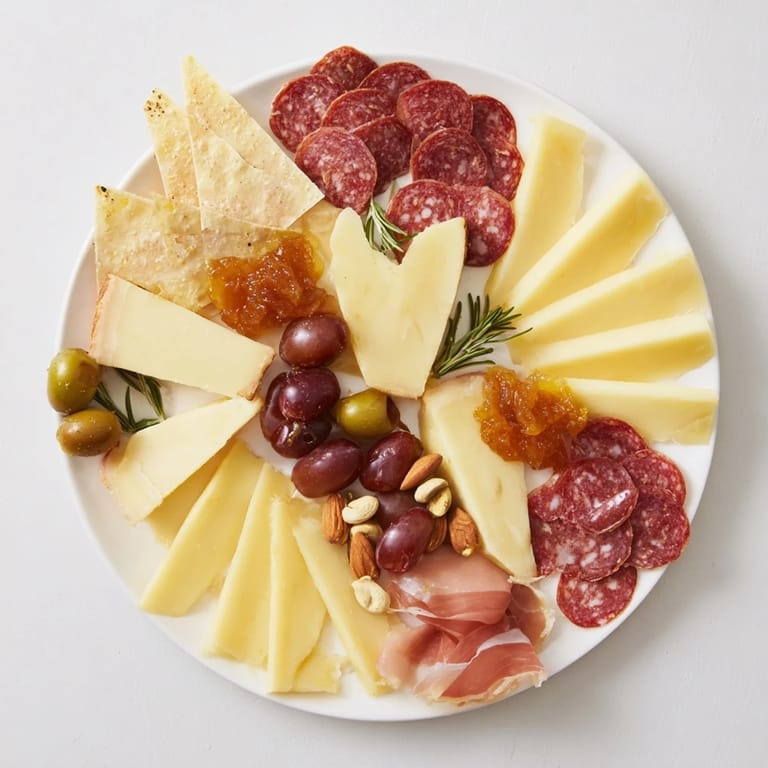
 I was reorganizing my kitchen one lazy Sunday when I found a vintage geometry textbook wedged behind some cookbooks, and somehow that sparked an idea: what if I approached a charcuterie board like I was laying out a Kandinsky painting? Instead of the usual rustic scatter, I started cutting everything into deliberate shapes—triangles, rhombuses—and something magical happened. The board became less about the food and more about the composition, the negative space, the rhythm of repeated angles. My guests arrived expecting a casual spread and walked into what felt like edible architecture.
I made this for a dinner party last spring when someone challenged me to "do something different" with a charcuterie board, and I realized halfway through cutting that I was stressed about perfection until I just leaned into the meditative rhythm of the knife work. By the time the first guest took a photo, I'd already let go of the idea that every cut needed to be museum-worthy—the imperfections made it feel handmade and human. What mattered was that the overall effect read as intentional.
Ingredients
- Manchego cheese: This Spanish staple holds its shape beautifully when cut and has a nutty flavor that anchors the board—buy it a day ahead so it's firm enough to slice cleanly into crisp triangles.
- Aged cheddar: Go for something with real age on it; the harder texture cuts into satisfying geometric shapes and the complexity keeps people reaching back.
- Brie: Chill it thoroughly before cutting so it firms up enough to hold a wedge shape without crumbling, though a few delicate breaks actually add character.
- Gruyère: Its crystalline texture makes it ideal for rhombuses—you'll actually hear the knife click through those little flavor pockets as you cut.
- Prosciutto: The delicate folds or careful triangles add an elegant touch; go Italian if you can.
- Soppressata: This firmer cured meat slices into clean rhombuses without crumbling and brings a gentle spice that ties everything together.
- Chorizo: The diagonal slice creates a naturally rhombus-like shape with almost no extra effort, and its paprika warmth adds visual pop.
- Red and green grapes: These clusters break the geometric theme intentionally, giving the eye a place to rest between all those angles.
- Dried apricots: Cutting them into diagonal pieces feels fussy but creates a surprising sense of harmony with the overall scheme.
- Marcona almonds: Their buttery sweetness and cream color fill gaps beautifully, though any high-quality almond works.
- Fig jam: A dollop of deep purple creates an anchor point and gives people a reason to pause and taste.
- Gluten-free seed crackers: Breaking them into triangles keeps the theme alive while giving people something to build on.
- Fresh rosemary or thyme: The sprigs aren't just garnish—they add an herbal aroma that shifts how people perceive the whole board.
Tired of Takeout? 🥡
Get 10 meals you can make faster than delivery arrives. Seriously.
One email. No spam. Unsubscribe anytime.
Instructions
- Sharpen your knife and find your rhythm:
- A truly sharp knife changes everything here—dull blades crush cheese and tear prosciutto. Take a breath before you start cutting; treating this like meditation instead of a race makes the work feel like part of the pleasure.
- Cut the cheeses with intention:
- Manchego and cheddar want slow, deliberate strokes with a chef's knife held at a slight angle to create clean lines. Brie is trickier—cut it while very cold, wiping your knife between each slice with a damp cloth to keep the cuts sharp and neat.
- Slice and trim the meats:
- Prosciutto can be folded into rough triangles or sliced and trimmed—either way it looks gorgeous. The soppressata and chorizo are forgiving; cut them at a diagonal and you naturally get that rhombus shape almost without trying.
- Cluster the sweet elements:
- Group grapes and apricots in little pockets around the board like you're creating focal points for the eye. This breaks up the geometric intensity and gives people permission to feel like they're exploring an experience, not just eating.
- Fill the spaces with intention:
- Scatter almonds into the gaps between shapes, and place the fig jam in small bowls or as tiny dollops directly on the board—either way, it becomes a moment of punctuation.
- Stack the crackers like architecture:
- Arrange them in neat fans or upright stacks to maintain the triangular theme. This detail makes people smile because it shows you thought about every element.
- Add the final flourish:
- Tuck sprigs of rosemary or thyme between shapes like you're planting a garden—it adds fragrance and one last layer of intention.
 Save to Pinterest
 I remember my five-year-old niece staring at that board for a full minute before she asked if it was "supposed to be eaten or put in a museum," and that's when I knew the geometry had actually meant something. Sometimes food isn't just about the food.
The Geometry of Appetite
There's something about cut and shape that makes people slow down and think about what they're putting in their mouth. Every triangle or rhombus is an act of intention, and somehow that translates to the way people taste things. They're more likely to pair the Manchego with the figs, or notice how the soppressata plays off the grapes. The board becomes a conversation about composition and balance, not just a place to grab snacks.
Cheese Pairing Philosophy
The cheeses here work together like a color palette—the sharp aged cheddar balances the creamy brie, the nutty Manchego bridges both, and the Gruyère adds earthiness that makes everything taste more intentional. I've learned that when cheeses have distinct personalities, they actually make each other taste better because you're creating contrasts. Think of it like placing complementary colors next to each other; they wake each other up.
Timing and Presentation
Assemble this board no more than 30 minutes before serving so the shapes stay crisp and the arrangement hasn't started to shift or wilt. The whole appeal relies on that sense of control and precision, which dissolves if things sit too long. I've found that boards assembled this close to service time also feel fresher and taste better because nothing has started to oxidize or lose its character.
- Keep everything chilled separately until the last moment, then move pieces to the board like you're setting a stage.
- If you're preparing this for a longer event, add soft items like brie and prosciutto just before guests arrive.
- The herbal garnish is final—add it last so it stays vibrant and fragrant.
 Save to Pinterest
 This board taught me that sometimes the most memorable meals aren't about complexity or hours spent cooking—they're about thoughtfulness and presence. Make this when you want to create something that feels like art but tastes like joy.
Recipe Q&A
- → How do I achieve precise geometric cuts?
Use a sharp chef’s knife along with a ruler or guide to cut cheeses and meats into clean triangles and rhombuses for uniform shapes.
- → Which cheeses work best for shaping?
Firm cheeses like Manchego, aged cheddar, Brie (chilled), and Gruyère hold geometric forms well for this presentation.
- → Can I substitute the cured meats?
Yes, cured meats such as bresaola or coppa can be substituted, as long as they hold shape when sliced into geometric forms.
- → What accompaniments enhance flavor here?
Seedless grapes, dried apricots, Marcona almonds, and fig jam add sweet and savory notes balancing the board.
- → How should I garnish the board?
Fresh rosemary or thyme sprigs offer aromatic freshness and add visual contrast to geometric cuts on the board.
- → Are gluten-free crackers suitable for this style?
Gluten-free seed crackers broken into triangles complement the board’s shapes while catering to gluten-sensitive guests.