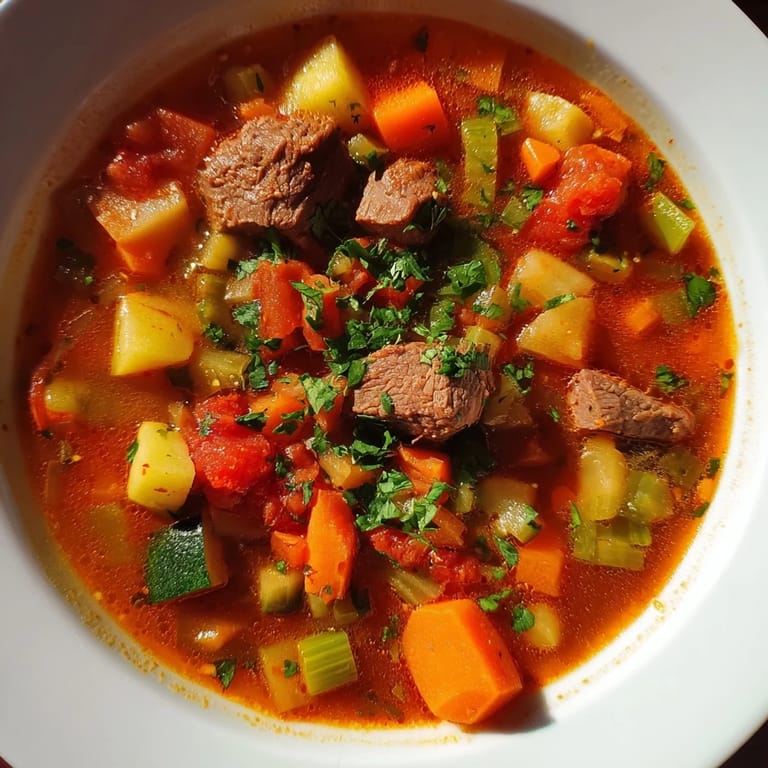
 Save to Pinterest
 The first time I tasted chorba was on a cold evening when my neighbor brought over a steaming pot, and the aroma of cumin and cinnamon hit me before I even stepped into the kitchen. I watched her work through the steps with such ease, moving from lamb to spices with the confidence of someone who'd made this a hundred times, and I realized then that this wasn't just soup—it was a conversation between ingredients, each one playing its part. Since then, I've made it countless times, and it never fails to fill the house with that same warmth that drew me in that first time.
I made this for my book club once, tripling the batch because I kept second-guessing the yield, and ended up with enough to send everyone home with containers. One friend called me three days later just to say she'd been reheating it for lunch, and her kids—who usually avoid anything green—had asked for seconds. That's when I knew this recipe had staying power.
Ingredients
- Lamb shoulder, cut into 2 cm cubes (500 g): Shoulder is forgiving and becomes wonderfully tender during the long simmer, unlike leaner cuts that can toughen up.
- Onion, finely chopped (1 large): The base of everything—take time with the chopping because it becomes sweet and disappears into the broth, creating depth.
- Garlic cloves, minced (2): Added with the onions so it doesn't burn, and it mellows into something almost creamy by the end.
- Carrots, diced (2): They hold their shape and add natural sweetness that balances the warm spices.
- Celery stalks, diced (2): The quiet hero that nobody mentions but everyone notices is missing—it adds a subtle earthiness.
- Potato, peeled and diced (1 medium): Acts as a subtle thickener and gives the soup body without making it feel heavy.
- Zucchini, diced (1): Goes in late so it stays tender and doesn't disintegrate into the broth, keeping the soup interesting in texture.
- Fresh tomato, peeled and diced (1 large): The fresh one gives brightness that canned tomatoes can't quite replicate on their own.
- Canned chopped tomatoes (400 g): Provides consistency and reliability—fresh tomatoes alone won't give you enough body.
- Tomato paste (2 tbsp): Two tablespoons is the magic amount; it deepens flavor without tasting overtly tomatoey.
- Fresh coriander, chopped (1 bunch, reserve some for garnish): Most of it goes into the broth at the end, but holding back a handful makes the final bowl feel fresh and intentional.
- Fresh parsley, chopped (1 bunch, reserve some for garnish): Balance to the coriander, keeping things herbaceous without leaning too far in one direction.
- Ground cumin (1 tsp): The foundation spice—it's warm, slightly nutty, and makes you feel like you're eating something authentic.
- Ground coriander (1 tsp): Different from the herb; the seed gives a citrusy note that brightens everything.
- Paprika (1 tsp): Adds color and a subtle sweetness that most people can't quite identify but absolutely notice.
- Ground cinnamon (1/2 tsp): This is what makes people pause and ask what they're tasting—don't skip it, and don't double it.
- Ground black pepper (1/2 tsp): A pinch of freshly ground makes all the difference here, so don't use the pre-ground stuff if you can help it.
- Ground turmeric (1/2 tsp): Earthy and slightly bitter in the best way; it ties the whole spice blend together.
- Chili flakes, optional (1/2 tsp): Only if you want a gentle heat that builds rather than hits you immediately.
- Salt (1 1/2 tsp, or to taste): Start with this amount and adjust after the pasta goes in, since it'll concentrate as liquid reduces.
- Olive oil (2 tbsp): Good quality makes a difference for browning the lamb and carrying the spices.
- Water or low-sodium beef stock (1.5 L): Stock gives more flavor, but water lets the spices shine through without competition.
- Vermicelli or small soup pasta (60 g): Keeps the texture from being purely broth; cook it separately if you want more control.
Tired of Takeout? 🥡
Get 10 meals you can make faster than delivery arrives. Seriously.
One email. No spam. Unsubscribe anytime.
Instructions
- Get the lamb golden:
- Heat your oil over medium-high heat and let it shimmer just slightly before the lamb goes in. You'll hear it sizzle when it's ready, and you're looking for a light brown crust on each side, not gray meat sitting in its own water—that takes about 5 minutes total, moving the pieces around occasionally but not constantly.
- Build the flavor base:
- Add your onions, garlic, carrots, celery, and potato to the lamb and let them soften for 5 minutes, which gives them time to release their sugars and start sweetening the pot. You'll smell the vegetables becoming tender before you can really see it, and that's your signal to keep going.
- Bloom the spices:
- Push everything to the side slightly, add your tomato paste and spices, and let them toast in the oil for 2 minutes—this smell is exactly what makes people come into the kitchen asking what you're making. Don't skip this step or rush it; the heat brings out the spices' essential oils and prevents them from tasting raw.
- Add the tomatoes and zucchini:
- Dice and add your fresh tomato, then pour in the canned tomatoes with their juices, add the zucchini, and give everything a good stir. The mixture will look slightly chaotic at this point, but that's normal.
- Simmer low and slow:
- Pour in your water or stock, bring everything to a boil, then immediately reduce the heat and cover the pot. Low heat for 1 hour is where the magic happens—the lamb becomes so tender it falls apart, and all those spices marry together into something much bigger than their individual parts. Skim off any foam that rises to the surface, especially in the first 10 minutes.
- Add the pasta:
- After the hour is up, add your vermicelli and let it simmer for 10–12 minutes until it's tender but still has a tiny bit of resistance when you bite it. Don't overcook it or it'll turn to mush.
- Finish with herbs:
- Stir in your fresh parsley and coriander, then taste and adjust the salt and pepper if needed. The herbs should brighten everything and remind you that this is a living, breathing dish.
- Serve with intention:
- Ladle into bowls, top with your reserved herbs, and serve hot with lemon wedges on the side. A squeeze of lemon right before you eat it transforms the whole bowl, bringing all those warm spices into sharper focus.
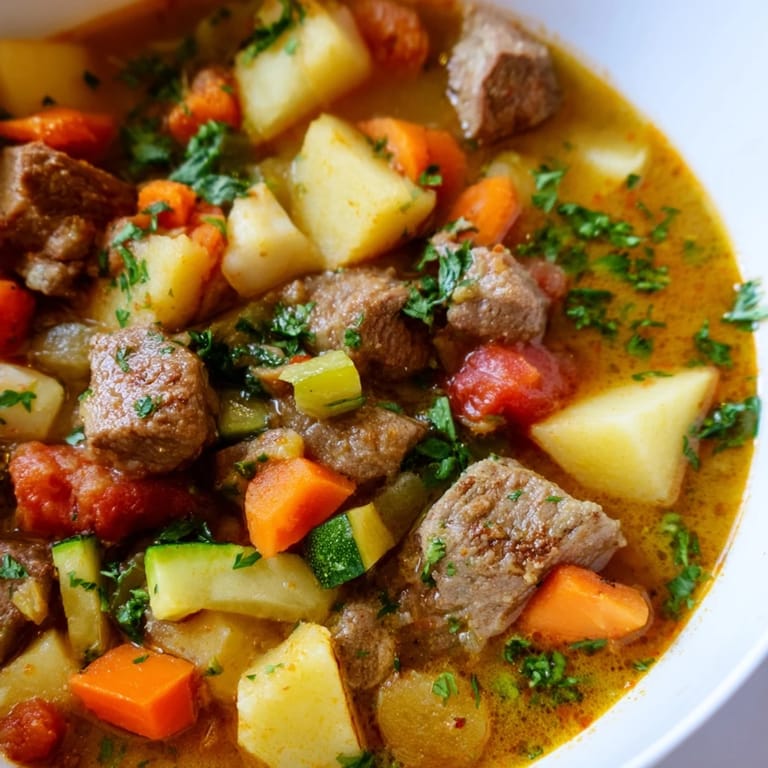 Save to Pinterest
 There's something about the moment when everyone's quiet except for spoon clinking against bowl, and you know you've made something that tastes like care. This soup does that.
The Warmth of Algerian Cooking
Algerian cuisine has a way of being both generous and disciplined—generous with spices and herbs, disciplined about not overdoing any single element. Chorba sits right in the middle of that philosophy, with enough spice to feel exciting but not so much that it overwhelms the vegetables and tender meat. I've learned that this balance is what makes North African food so endlessly comforting; nothing shouts for attention, but everything matters.
Making It Your Own
Once you've made this a few times, you'll start to understand where you can flex. Some people swear by adding chickpeas for extra texture and protein, which I do in winter when I want something more substantial. Chicken works beautifully if you want something lighter, and it cooks in about half the time of lamb, so adjust your simmering period accordingly. A handful of spinach or other greens stirred in at the very end adds freshness without changing the character of the dish.
Serving and Storage
This soup is patient—it reheats gracefully and often tastes better the next day when everything has settled into knowing each other. Store the broth and pasta separately if you can, because the pasta will keep softening even when cold. A crusty bread or flatbread alongside is non-negotiable; you need something to soak up the broth and catch every drop. And don't forget the lemon wedges—a simple squeeze transforms each bowl into something bright and unexpected.
- Refrigerate for up to 4 days in an airtight container, or freeze for up to 3 months.
- Reheat gently on the stove with a splash of water to restore the broth consistency if it's thickened.
- Serve with warm bread and a wedge of lemon for maximum impact.
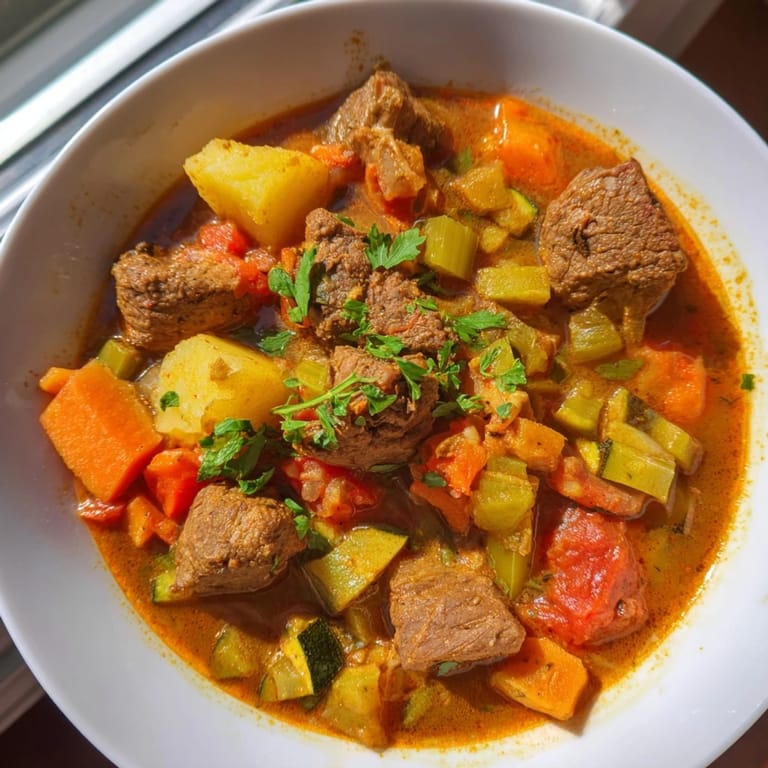 Save to Pinterest
 Chorba is one of those soups that whispers rather than shouts, warming you from the inside with its combination of tender lamb, aromatic spices, and vegetables that have given their all to the broth. Make it once and it becomes a recipe you reach for when you want to feel like you're taking care of people.
Recipe Q&A
- → What type of meat is best for this dish?
Lamb shoulder cut into cubes works best due to its tenderness and rich flavor when slow-cooked.
- → Can I substitute the meat for a different protein?
Yes, chicken can be used as a lighter alternative, or chickpeas can be added for a plant-based protein boost.
- → What spices give this soup its distinctive flavor?
A blend of cumin, coriander, paprika, cinnamon, turmeric, and optional chili flakes creates the warm, aromatic profile.
- → How long should the soup be simmered?
Simmering for about an hour allows the lamb and vegetables to tenderize and the flavors to meld perfectly.
- → What type of pasta is recommended?
Small vermicelli or similar tiny pasta is ideal; it cooks quickly and adds texture without overwhelming the soup.
- → How can freshness be enhanced before serving?
Chopped fresh parsley and coriander stir-ins, along with a squeeze of lemon, brighten the flavors wonderfully.